Gruene Pointe Blog | Gruene Historic District Guides, Hill Country Living Tips & New Braunfels Community News

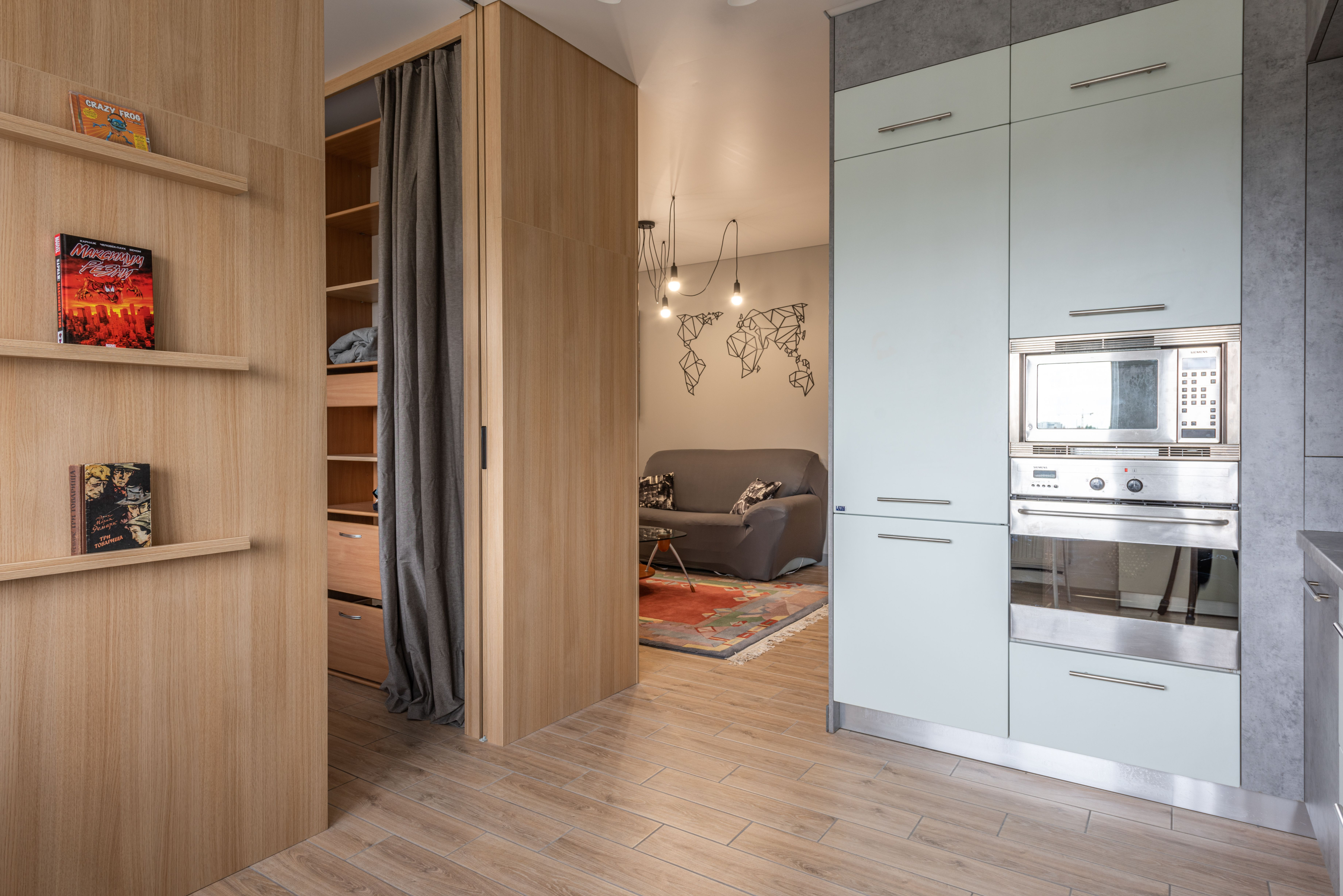
How to Host Guests in a Studio Without It Feeling Cramped-image

Quick Answer: How to host guests in a studio without it feeling cramped comes down to four moves. Invite to the seats and floor you have, keep one walking path clear from the door to the bathroom, set food and drinks away from the entry, and check your lease's guest and parking rules before you send the invite. A studio is one room doing the work of four, so every extra person changes how the room works. The studios at Gruene Pointe in New Braunfels run from 350 to 400 square feet as of October 2026. That's enough for a small dinner or a friend staying over after a night at Gruene Hall. It just takes a plan. What Is Small Space Hosting, and What Changes in a Studio? Small space hosting means planning a gathering around the room you have. The guest list comes second. In a studio, the bed and the kitchen share one floor with the seating, so guests see everything and can stand anywhere. Your plan has two parts: where people walk, and where they land once they're holding a plate. Studio Layout: Clear One Path First Walk from your front door to the bathroom. That line has to stay open all night, so anything sitting on it moves: the laundry basket, the desk chair, the shoe rack, the floor lamp with the long cord. Next, push the table or desk against a wall and call it the serving counter. Make the bed tight with a plain cover and line pillows along the wall side, because the bed is the biggest seat you own. Coats go on a door hook or the shower rod, never on the bed. Multifunctional Furniture That Earns Its Floor Space Most studio apartment ideas online are about storage. For hosting, ask a different question: what can change jobs for one evening? A storage ottoman is a seat, and with a tray on top it's a side table. Two folding chairs hang on a closet hook and cost you no floor the rest of the year. A drop-leaf table sits flat against the wall as a console and opens up for dinner. Nesting tables stack into one footprint and spread out wherever a drink needs to land. Think twice about a sleeper sofa. If someone stays over twice a year, an air mattress in the closet costs less and takes no floor. How Many People Fit at a Party in a Small Apartment? There's no standard number, because furniture differs from one studio to the next. The practical limit is your seats plus the open floor left once the path is clear. Count both before you text anyone. The ranges below are a rule of thumb for a 350 to 400 square foot studio. No lease sets them. Gathering Comfortable range Setup that makes it work Sit-down dinner 2 to 4 guests Table against the wall, plates served from the kitchen counter Game or movie night 4 to 6 guests Floor cushions and ottomans around one low table Standing apartment party 6 to 8 guests Center of the room cleared, drinks set up away from the door Overnight stay 1 to 2 guests Air mattress in the cleared floor, lease guest limit checked first Small space entertaining works better standing up once you pass six people, because standing guests take less floor than seated ones. Gruene Pointe lists a pool and a lounge among its community amenities , and the leasing office can tell you the guest rules and hours for shared spaces. Food needs a plan too. The U.S. Department of Agriculture says food shouldn't sit at room temperature for more than two hours, and it recommends swapping an empty platter for a fresh one over topping it up. Small plates from the fridge solve the safety problem and the counter-space problem at once. Apartment Rules for Guests to Check Before You Send the Invite Apartment rules for guests come mostly from your lease and community policies. The Texas State Law Library notes that many landlord and tenant questions are answered in the lease, and that Texas statutes generally don't address specific lease rules. Read yours for four things before you invite anyone: overnight stays, parking, pets and noise. Overnight stays first. Many leases cap how many nights in a row a guest can stay before management treats them as an occupant. State law deals with who lives in a unit: Texas Property Code Section 92.010 caps adult occupants at three times the number of bedrooms. It doesn't set a number for dinner guests. Parking is the rule your guests can't know unless you tell them. Gruene Pointe's posted policy asks visitors to park only in marked visitor spaces and to check in at the leasing office before entering the community. Carports are rented to assigned residents, and unauthorized vehicles can be towed at the owner's expense. Pets come next. The community's posted pet policy says any pet not approved through PetScreening, a guest's included, is subject to a daily charge. Ask friends to leave the dog at home. Keeping an Apartment Party Quiet Enough for the Neighbors Your walls are shared. The State Law Library's guide to noise explains that Texas cities can pass their own noise laws, and that tenants have a right to quiet enjoyment of their homes. In practice, any quiet hours in your lease are the rule to follow. Tell the neighbors on both sides ahead of time and put an end time on the invite. Skip the candles. The U.S. Fire Administration cites an average of 20 home candle fires a day and says not to use lit candles in sleeping areas. A studio is a sleeping area. Battery candles and a couple of lamps do the same job. Frequently Asked Questions 1. Where do guests sleep in a studio apartment? On an air mattress in the cleared center of the room, or on a sleeper sofa if you own one. Set it up after dinner so the floor stays open. A folding screen or a curtain on a tension rod gives you both some privacy. Check your lease's guest limit before any visit longer than a weekend. 2. Can an apartment limit overnight guests in Texas? A lease can include guest rules, and many do. The Texas State Law Library points renters to the lease for questions like this, since state statutes don't address most lease rules. If a guest needs to stay longer than your lease allows, ask the leasing office in writing before the visit starts. 3. What studio decor makes a small room feel bigger for guests? Lamps at two heights, with the overhead light off A large mirror on the wall across from the window One fully clear surface where plates and glasses can land A plain bedcover close to the wall color, so the bed reads as seating 4. What food works best when the kitchen is in the same room? Food that needs one hand and no knife. Think sliders, skewers, cut fruit, or a board people pick from. Cook before anyone arrives, because you can't hide a sink full of pans in a studio. Mix one pitcher drink ahead of time and set it out with water, so you aren't stuck playing bartender. 5. How do I tell guests where to park at Gruene Pointe? Put it in the invite. Visitors park in the marked visitor spaces and check in at the leasing office, which is open 9:00 AM to 5:30 PM on weekdays and 10:00 AM to 3:00 PM on Saturdays as of October 2026. For evening or Sunday arrivals, ask the office ahead of time how check-in should work. Conclusion Most of the work happens before anyone knocks. Count your seats, clear the path, move the drinks away from the door, and read your lease for guest and parking rules. A 350 to 400 square foot room in New Braunfels can hold a good dinner or a full game night when it's set up for one. If you're still choosing a place, compare the four layouts on the Gruene Pointe floor plans page with hosting in mind. That's how to host guests in a studio without it feeling cramped.

Read more
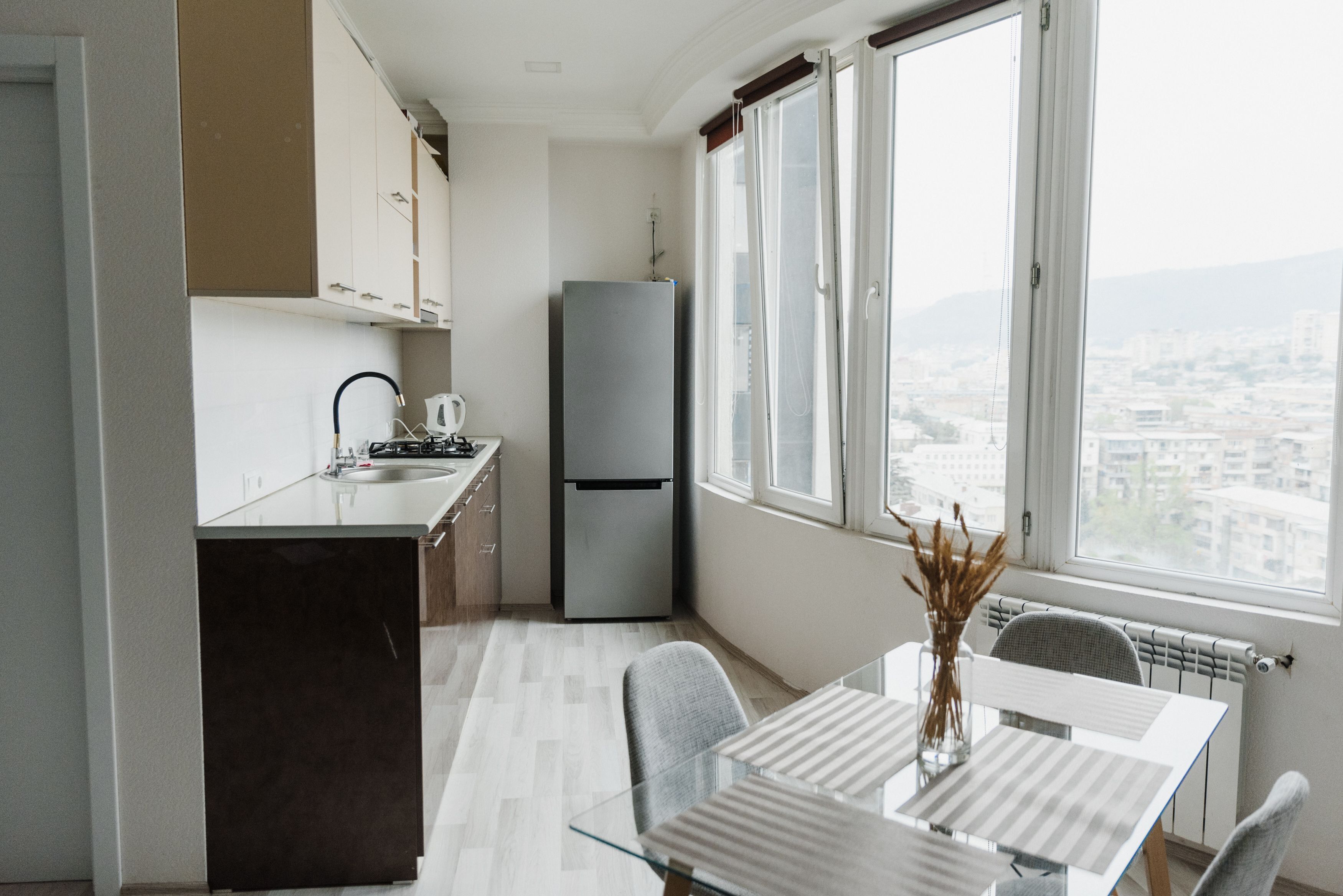

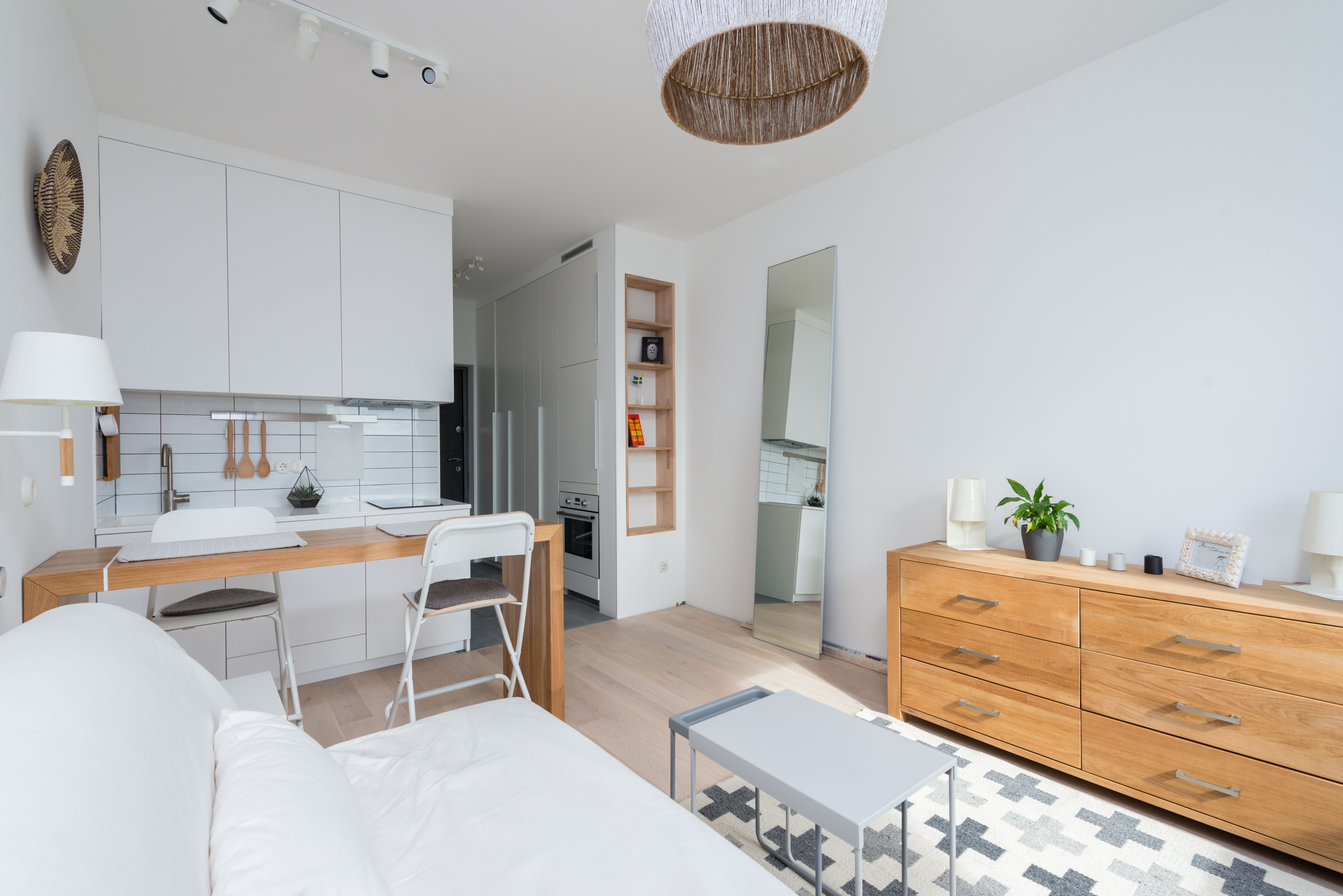
Small-Space Appliances Worth Buying for a Studio Apartment-image

Quick Answer: The small-space appliances worth buying for a studio apartment are the ones that replace something bigger: a countertop oven, a compact microwave, and a mini fridge only if you need extra cold storage. A portable dishwasher or ventless dryer makes sense when your lease and your outlets allow it. A studio kitchen gives you a few feet of counter and a handful of outlets. Every appliance you bring in has to justify the space it takes. This guide is written for renters across the USA and for residents of our studio apartments in New Braunfels , where summer heat makes a cooler way to cook a real advantage. Buy less than you think you need. You can always add one more later. What to Look For in Studio Appliances Good studio appliances do two jobs, fit the counter you already have, and run safely on a standard wall outlet. Check the yellow EnergyGuide label for yearly running cost, measure the spot before you order, and read your lease for any rules on laundry or dishwashing equipment. If an appliance fails one of those checks, leave it on the shelf. Measure First, Then Shop for Compact Appliances Depth is the number people forget. A unit that fits the width of your counter can still block a cabinet door or hang over the edge. Measure width, depth and the height under your upper cabinets, then leave a few inches around anything that vents heat. Compact appliances are sold by capacity, so compare the outside dimensions too. Know What Your Outlets Can Handle The U.S. Fire Administration advises plugging only one heat-producing appliance into a wall outlet at a time, and never running one from an extension cord. In a studio that usually means the coffee maker and the toaster oven take turns. It's a small habit, and it matters more when your kitchen and your bed share a room. Which Small Appliances Earn Their Counter Space? The small appliances that earn a spot are the ones you'd use at least three times a week. For most studio renters that means one cooking appliance, one reheating appliance, and maybe extra cold storage. Start by checking what each studio floor plan already includes , so you don't pay for a duplicate. Countertop Oven vs. Compact Microwave These two do different work. According to the U.S. Department of Energy, a toaster or convection oven uses one-third to one-half as much energy as a full-sized oven, which makes a countertop oven the better pick for roasting vegetables or baking for one. It also puts far less heat into a single room. A compact microwave wins on reheating. ENERGY STAR notes that microwaves can use up to 80% less energy than a conventional oven, and that there's no ENERGY STAR category for them because models perform about the same. So shop on size and wattage, and skip the premium features. When a Mini Fridge Makes Sense ENERGY STAR defines a compact refrigerator as anything under 7.75 cubic feet, and certified models must use 10% less energy than the federal minimum . If your studio already has a refrigerator, a mini fridge is only worth it for a specific need, like drinks beside a desk or overflow for meal prep. Otherwise it's a second appliance running all day and all night. Appliance Best for Efficiency point Skip it if Countertop oven Baking and roasting for one or two One-third to one-half the energy of a full-sized oven (DOE) You mostly reheat Compact microwave Reheating and quick meals Up to 80% less energy than a conventional oven (ENERGY STAR) Your unit already has one Mini fridge Extra cold storage Certified models use 10% less than the federal minimum Your main refrigerator is rarely full Compact dishwasher Daily cooking at home Certified models use 2.0 gallons or less per cycle You can't fill it before running it Ventless dryer Units with laundry hookups and no vent Heat pump models use about 70% less energy Your lease doesn't permit one Is a Portable Dishwasher or a Ventless Dryer Worth It? Both are worth it for the right renter, and both need a yes from your leasing office first. A portable dishwasher suits someone who cooks most nights and has a faucet it can connect to. A ventless dryer only works where there's a laundry hookup and the right electrical supply. Ask before you buy, because returns on large appliances are a hassle. How a Compact Dishwasher Compares to Hand Washing ENERGY STAR classes a compact dishwasher as one that holds fewer than eight place settings plus six serving pieces. Under the criteria in effect since July 19, 2023, certified compact models must use no more than 155 kWh a year and 2.0 gallons per cycle . That's very little water next to a running tap. There's a catch, though. ENERGY STAR also points out that compact models may use more energy than standard ones over time because they hold less, and that a dishwasher uses about the same energy whether it's full or half empty. Run it full or don't run it. What a Ventless Dryer Needs From Your Space Heat pump dryers recycle warm air in a closed loop, so they don't need a vent to the outside. ENERGY STAR reports that certified heat pump models use around 70% less energy than conventional dryers, with typical dry times of 37 to 70 minutes. The tradeoff is price. They cost more upfront, and some compact models need a 240-volt outlet that a studio may not have. Does your community already offer what you're about to buy? Look through the community amenities at Gruene Pointe before you spend money on something you won't need at home. Frequently Asked Questions 1. What appliances do you need in a studio apartment? Most studio renters need a way to cook, a way to reheat, and cold storage. If your unit supplies a refrigerator and a cooktop, a compact microwave or a countertop oven usually covers the rest. Add a kettle or coffee maker if you use one daily. Anything beyond that should replace a trip or a chore you already do. 2. Can you use a portable dishwasher in a rental? Often yes, but check your lease first. Portable and countertop models connect to a kitchen faucet and drain into the sink, so they don't change the plumbing. Some communities still restrict them. Ask your leasing office in writing, and confirm your faucet accepts the adapter before you order one. 3. Is a toaster oven or a microwave better for a small kitchen? It depends on how you eat. A microwave is faster and uses less energy for leftovers and frozen meals. A toaster oven browns and crisps, which a microwave can't do. If you only have room for one, pick the appliance that matches the meals you make most weeks, not the one with more settings. 4. How do you choose appliances for a very small kitchen? Measure width, depth and cabinet clearance before you shop. Pick appliances that do two jobs, like an oven that also toasts. Compare the yearly cost on the EnergyGuide label. Plan one heat-producing appliance per outlet. 5. Do ventless dryers work as well as vented dryers? Modern heat pump models dry a load in roughly 37 to 70 minutes, according to ENERGY STAR, which is close to a conventional dryer. They run at lower temperatures and collect water in a tank or drain line instead of venting it. Expect to clean the lint filter every load and empty the tank if there's no drain. Conclusion Every appliance in a studio should earn the counter it sits on. Measure first, check your lease, and buy for the way you cook on an ordinary Tuesday. For renters in New Braunfels, where a full-sized oven heats the whole room by July, the small-space appliances worth buying for a studio apartment are usually the ones that keep the kitchen cooler and the counter clear.

Read more
Cooking in a Kitchenette: Smart Meals Without an Oven-image

Quick Answer: Cooking in a kitchenette works when you build meals around the equipment you actually have. A microwave, a toaster oven, one skillet and a food thermometer cover most weeknight dinners. Keep ingredient lists short, cook single portions instead of big batches, and confirm doneness by temperature rather than by look. Most studio kitchens hand you a compact fridge, a microwave, a sink and about three feet of counter. That is enough to eat well. Cooking in a kitchenette is less about giving things up and more about sequencing, so one appliance handles the protein while another warms the side. Residents at Gruene Pointe Apartments work with compact layouts like this every day. What Cooking in a Kitchenette Actually Involves A kitchenette is a partial kitchen. Expect a compact refrigerator, a microwave, a sink and limited counter, sometimes a two burner cooktop, rarely a full oven. Kitchenette cooking changes your method, not your menu. Oven roasting becomes toaster oven roasting, sheet pan dinners become skillet dinners, and weekend batch prep becomes same day portions. Almost every recipe online assumes a full range. The 2020 Residential Energy Consumption Survey from the U.S. Energy Information Administration found that 89% of American households have one, yet those households used the cooktop an average of eight times a week against three times for the oven. Even people who own an oven mostly cook on a burner, which is exactly the habit a small kitchen rewards. Kitchenette Essentials Worth the Counter Space Buy less than you think. Six things handle almost everything: A 10 inch nonstick skillet with a lid that fits A quarter sheet pan sized to your toaster oven One deep microwave safe glass dish with a vented cover An instant read food thermometer Three or four nesting storage containers A cutting board wide enough to bridge the sink Skip the single use gadgets. A quesadilla press earns its space once, and your skillet already does that job. What Are the Best One Pan Meals for a Two Burner Setup? One pan meals suit small kitchens because the pan handles the sequencing for you. Start the aromatics, add protein, add a starch and liquid, cover it, finish. Skillet gnocchi with spinach, chicken thighs over rice, black bean and sweet potato hash, shrimp with orzo. One pan, one lid, rarely more than one burner going at a time. There is a second reason, and it is the sink. Kitchenette sinks are shallow, and most have no dishwasher beside them. Cook three pans for one dinner and cleanup outlasts the meal. Each appliance is good at something different. Appliance Best for Weak at Counter space Microwave Steaming vegetables, grains, eggs, reheating Browning, crisping, even heat Built in or over the range Toaster oven Roasting, baking small batches, melting Anything taller than four inches Moderate, needs rear clearance Skillet on a burner Searing, sauces, one pan dinners Unattended cooking None when stored Pressure or slow cooker Beans, soups, braises, rice, hands off meals Quick weeknight turnaround Large, store in a cabinet Start with Microwave plus one skillet Add a toaster oven next Fits any kitchenette Microwave Meals That Do Not Taste Like a Compromise Microwave meals get a bad name because people blast a dense container of leftovers on high and call it dinner. Used deliberately, the microwave is a steamer. Cover vegetables with a splash of water and they beat boiled. Oats, poached eggs, rice in a covered dish: fast, and hands off. USDA Food Safety and Inspection Service guidance is clear that microwave ovens heat unevenly and leave cold spots where bacteria survive, so cover the dish, stir or rotate the food partway through, and let it stand before you check it. Reheated leftovers should reach 165°F on a thermometer, not simply feel hot at the edges. Toaster Oven Recipes That Replace a Full Oven Roasted broccoli, salmon fillets, chicken thighs, a small baked pasta, a tray of cookies. Most toaster oven recipes are ordinary oven recipes at a smaller scale, with two adjustments: preheat it properly, and rotate the pan halfway through because the heating element sits inches from the food. No Oven Recipes for Nights You Will Not Wait Grain bowls. Big salads with a seared protein on top. Soup, congee, tacos, anything assembled rather than baked. The best no oven recipes lean on a rice cooker or an electric pressure cooker, and plenty of American households already own one. In 2020, 16% used an electric pressure cooker at least once a week and 13% used a rice cooker. How Do You Keep Small Space Cooking Safe? Small space cooking puts heat close to everything else you own: the sofa, the bed, the curtains. Cooking is the leading cause of home fires in the United States, and the U.S. Fire Administration reports unattended equipment as the leading contributing factor in nonconfined home cooking fires, at 37%. Stay with the pan. Keep a pan lid or baking sheet within arm's reach so you can smother a grease fire instead of carrying it to the sink. Turn the burner off if you walk away. Keep towels, packaging and paper off hot surfaces, leave clearance around a running toaster oven, and plug heat producing appliances straight into a wall outlet. Food storage is the other half. The FDA recommends keeping the refrigerator at 40°F or below and the freezer at 0°F, and refrigerating perishables within two hours of cooking. Cook poultry to 165°F, ground meats to 160°F, and steaks, chops and fish to 145°F with a rest period. Leftovers stay safe for 3 to 4 days. From Dorm Room Meals to a Real Weeknight Rotation Dorm room meals are the training version of all this: a mini fridge, a microwave, no burner at all. A kitchenette is an upgrade, with a cooktop and room for a cutting board. Pick five dinners, cook them until you no longer need the recipe, then add a sixth. When you are feeding a group, the clubhouse and other shared community amenities take the pressure off a two burner setup. Frequently Asked Questions 1. Can you really cook full meals without an oven? Yes. A skillet, a microwave and a lid cover braises, stir fries, pasta, eggs, soups, grains and most proteins. The only things you give up are large roasts and full size baking. A toaster oven closes even that gap for anything under about four inches tall. 2. What appliances should I buy first for a small kitchen? Start narrow and add later. In rough order of usefulness for most people: A 10 inch nonstick skillet with a lid An instant read food thermometer A toaster oven, if counter space allows A rice cooker or small electric pressure cooker Nesting storage containers for portioned leftovers 3. How hot does microwaved food need to get? Reheat leftovers to 165°F, measured with a food thermometer in more than one spot. Microwaves heat unevenly, so cover the dish, stir or rotate partway through, and allow the standing time listed on the package. Standing time finishes the cooking, which is why skipping it leaves cold centers. 4. How long do leftovers last if I batch cook on Sunday? Three to four days in the refrigerator, according to USDA guidance, and that clock starts the day you cook. Portion hot food into shallow containers so it cools quickly, refrigerate within two hours, and freeze anything you know you will not eat by midweek. 5. Is a toaster oven or an air fryer better in a kitchenette? Both are small convection ovens with different baskets. A toaster oven takes flat pans, handles toast and bakes small trays. An air fryer crisps faster in smaller portions and is easier to clean. Measure your counter first, because many kitchenettes have room for exactly one of them. Small Kitchen, Real Meals Nobody masters this in a week. Cook two or three dishes until they are automatic, and let the appliance you already own dictate the method. If you are comparing studio floor plans , look at the counter run and where the outlets sit, not just the square footage. Cooking in a kitchenette stops feeling like a limitation somewhere around the third week.

Read more
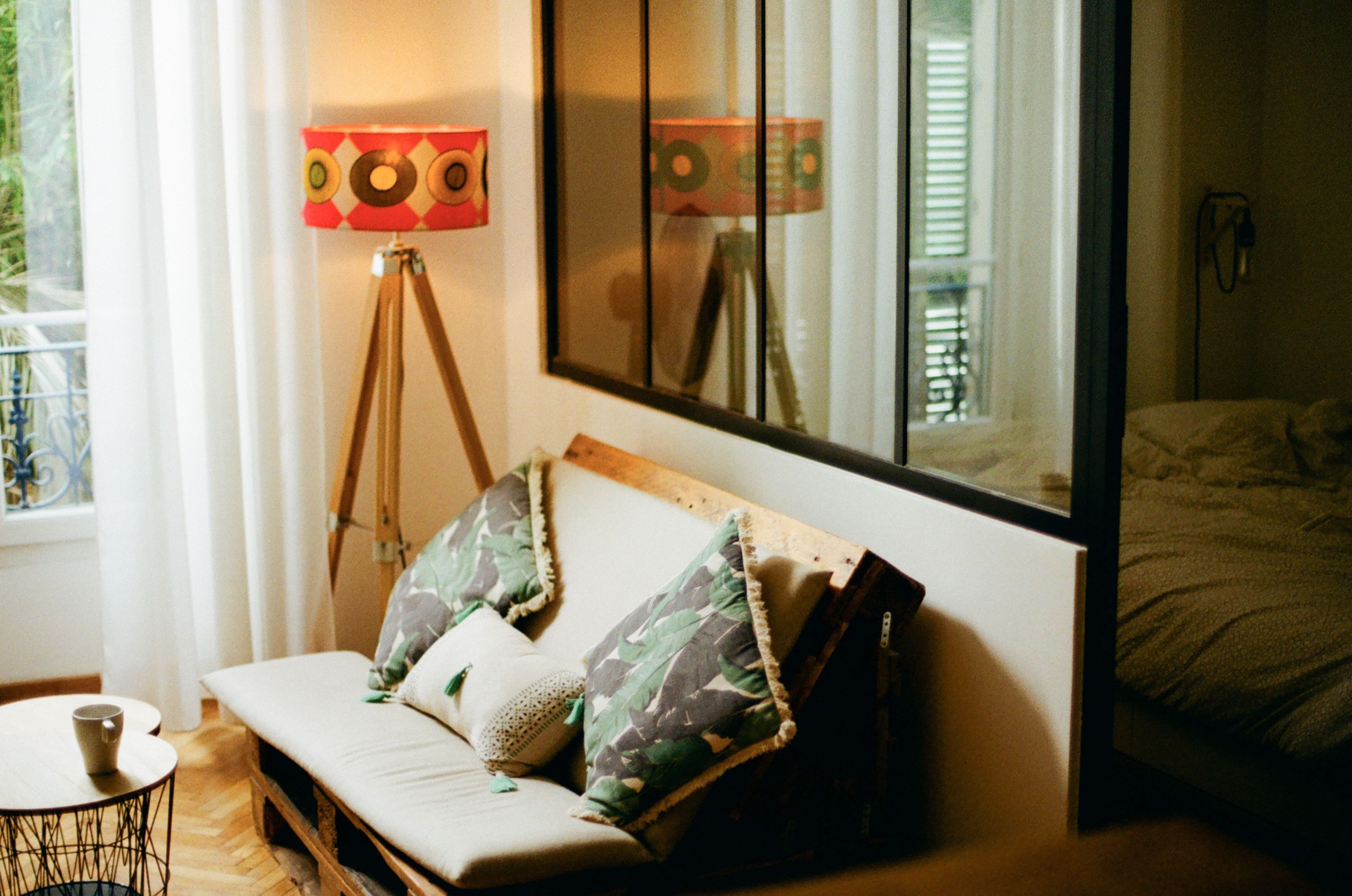
Living Alone for the First Time: A Studio Renter's Guide-image

Quick Answer: Short-Term and Furnished Housing for Travel Nurses in San Antonio usually means a furnished apartment, corporate rental or extended-stay suite held for three to six months rather than a full year. For a 13 week contract, the best fit is the option that bundles furniture, utilities and internet into one monthly payment within an easy drive of your assigned hospital. Most assignments here run 13 weeks. Most apartment leases run twelve months. That mismatch is the entire challenge behind Short-Term and Furnished Housing for Travel Nurses in San Antonio, and it catches experienced travelers as often as first timers. Onyx at Oslo serves the UTSA and Loop 1604 corridor of northwest San Antonio, the side of town where the South Texas Medical Center sits, with apartments in northwest San Antonio built for people who need a real home base rather than a hotel room. What to Look For in Short-Term and Furnished Housing for Travel Nurses in San Antonio Start with three things: the shortest lease term the community will actually sign, what the monthly price covers, and the commute to your unit assignment. Everything else is preference. A cheap rate that excludes electricity, internet and a furniture package is rarely cheap once the first full month lands. What furnished housing actually includes The word gets used loosely. Some listings mean a bed, a couch and a table. Others mean plates, towels and a stocked kitchen drawer. Ask for a written inventory before you commit, because arriving after a cross-country drive to an apartment with no pots is a bad first night. Utilities are the second gap. Corporate and extended-stay products usually roll power, water and internet into one figure. A standard apartment lease normally leaves those in your name, which is fine, but it changes the number you should be comparing. Lease terms that fit 13 week housing Ask the leasing office directly whether a three, four or six month term is available and what the short-term premium is. Plenty of communities will write a shorter lease at a higher monthly rate, and that premium is often still less than three months in an extended-stay suite. Get the term in writing before you pay an application fee. Extensions matter too. Contracts get renewed, and a lease ending in week fourteen with no renewal path means moving twice in one assignment. How Much Should Travel Nurse Housing in San Antonio Cost Against Your Stipend? There is no single right number, but there is a useful benchmark. The U.S. General Services Administration sets federal per diem rates by city, and for fiscal year 2026, covering October 1, 2025 through September 30, 2026, San Antonio carries a lodging rate of $137 per night for most of the year, rising to $161 in February and March. The meals and incidentals rate is $74 per day. Read that as a reference ceiling, not as your paycheck. Agencies set their own stipends and many pay below the federal figure. If a furnished rental sits well under the monthly equivalent of that lodging rate, you are usually in reasonable territory. Comparing short term rentals San Antonio travelers actually use Housing type Typical minimum stay Usually included Main trade-off Extended-stay hotel Nightly, no lease Furniture, utilities, housekeeping Highest nightly rate and a small kitchen Private furnished sublet 30 days Furniture, often utilities and linens No on-site staff, quality varies by owner Corporate housing 30 to 90 days Full furniture package, utilities, internet Priced above a standard lease, limited inventory Apartment on a short lease 3 to 6 months where offered Full apartment plus community amenities Furniture is often a separate add-on Best fit for a 13 week contract 3 months Furniture, utilities and internet in one payment Confirm the term in writing before you sign Furnished apartments San Antonio travelers book, versus renting furniture yourself A furniture rental package on top of an unfurnished apartment sometimes beats a fully furnished rate, especially past the three month mark. Run both numbers. Include delivery, pickup and any minimum rental period, since a two month furniture minimum is a common trap. Where Do Travel Nurse Apartments Put You Closest to the Medical Center? The South Texas Medical Center occupies roughly 900 acres on the northwest side of the city and holds dozens of medical institutions, including University Health on Medical Drive, Methodist Hospital on Floyd Curl Drive and UT Health San Antonio. Living northwest keeps you on the same side of town as that cluster and off the downtown interchange during shift change. San Antonio apartments along Loop 1604 and I-10 The 1604 and I-10 corridor gives you a direct route south toward the Medical Center and a straight shot north toward Stone Oak facilities. It is also where the grocery stores, gyms and late-night food sit, which matters more than people expect when you finish a twelve hour shift at 8 p.m. Check the map and directions page to measure your own route before you sign anything. Amenities carry real weight on a short assignment. A pool, a 24 hour fitness center and in-unit laundry replace a gym membership and a laundromat run, so compare the community amenities and the available studio, one and two bedroom floor plans alongside the rent figure rather than after it. Frequently Asked Questions 1. Are short term apartments available for a 13 week contract in San Antonio? Yes, though availability shifts month to month and short terms usually carry a premium. Call the leasing office rather than relying on a listing site, ask for the shortest term they will sign, and confirm four details before you send a deposit: The exact lease end date and any early termination fee Whether a furniture package is offered or must be rented separately Which utilities are included and which go in your name Whether the term can be extended if your contract renews 2. Do travel nurse rentals in San Antonio include utilities and internet? Corporate housing and extended-stay suites almost always include them. A standard apartment lease usually does not, so budget for electricity, water and a Wi-Fi plan separately. Ask for the figure in writing, because an all-in monthly price and a base rent are not comparable numbers on a three month stay. 3. Is furnished housing cheaper than a hotel for a three month assignment? Generally yes. The GSA lodging benchmark for San Antonio runs $137 per night through most of fiscal year 2026, and three months at a nightly rate adds up fast. A furnished monthly rental spreads that cost over a lease term and gives you a full kitchen, which quietly cuts the food budget too. 4. Do I need a Texas nursing license for a San Antonio assignment? Texas participates in the Nurse Licensure Compact, so a multistate license from another compact state generally lets you practice here without a separate Texas license. Your temporary assignment does not change your primary state of residence. If you do make Texas your permanent home, the Board requires licensure by endorsement. 5. How far ahead should I book nurse housing in San Antonio? Three to four weeks before your start date is the usual guidance, and earlier during spring break and summer when the city fills up with visitors. Short-term inventory is thin. Waiting until your first week on assignment usually means paying hotel rates while you search. One More Thing Before You Sign Watch the calendar on back-to-back extensions. The IRS treats an assignment as temporary when you realistically expect it to last one year or less, and once you expect to stay longer than a year in one location, that location becomes your tax home and the tax-free treatment of travel expenses ends. Two 13 week contracts are nowhere near that line. Four or five in the same city start to approach it, so talk to a tax professional before you renew again. Finding the Right Short-Term and Furnished Housing for Travel Nurses in San Antonio The right choice comes down to a short lease you can actually sign, a monthly figure that includes what you need, and a northwest San Antonio address that keeps your commute to the Medical Center simple. Compare the total monthly cost against your stipend, confirm the furniture and utility details in writing, and book early. Reach out to the Onyx at Oslo leasing team to ask what terms are available for your assignment dates.

Read more
Smart Studio Apartment Storage Ideas, No Drill Needed-image

Quick Answer: The strongest studio apartment storage ideas for renters who can't drill are adhesive hooks used inside their rated weight, tension rods in closets and cabinet openings, flat bins under the bed, and furniture that hides storage inside it. All four come out clean at move-out, so your deposit stays yours. A 350 square foot studio has plenty of wall and no permission to touch it. Most leases rule out screws and anchors, so the studio apartment storage ideas that actually work here are the reversible kind. Everything below is renter-safe and sized for compact layouts like the all-inclusive studio apartments in New Braunfels . What Counts as No Drill Storage in a Studio Apartment? No drill storage is anything that holds your things using adhesive, tension, gravity, or a fixture you already have, such as a door or a closet rod. Nothing pierces the drywall. At move-out it peels off the wall or gets carried out to the car, and the unit looks the way it did on day one. Renter-Friendly Storage That Comes Out Clean Four categories cover almost everything a single room needs. Adhesive hooks and strips handle light loads on smooth surfaces. Tension rods bridge any gap with two firm sides: closets, cabinet openings, the slot beside a refrigerator. Freestanding pieces like a shelf tower or a rolling cart spend floor space instead of wall space. Then there's dual-purpose furniture, from a storage ottoman to a bench that opens. Renter-friendly storage isn't one product. It's picking the method that suits the surface you've got. Where Studio Apartment Storage Usually Goes Wrong Most studio apartment storage ideas fail for one of two reasons. The first is weight. Someone hangs a loaded canvas caddy on a hook rated for two pounds, then blames the adhesive when paint comes away with it. The second is surface. Command's own guidance says its products need a smooth, clean wall with paint cured at least seven days, and 3M does not recommend them for heavily textured surfaces, wallpaper, brick or rough concrete. Plenty of Texas apartments have an orange peel or knockdown finish. Test one hook in a low corner before you buy twelve. How Do You Add Vertical Storage Solutions Without Drilling? Go up the wall without going into it. Vertical storage solutions for renters sort into groups by how they stay put: stuck on, wedged in, or standing on the floor. Match the group to the load, not to the look. Here are the published numbers worth knowing before you spend anything. Method Published capacity Best surface Watch for Adhesive utility hooks Up to 15 lb per heavyweight hook Smooth painted wall, tile, finished wood Paint must be cured 7 days Picture hanging strips 16 lb for four large strips, 20 lb extra large Smooth wall, rigid frame back Not rated for shelves or beds Spring tension rod Roughly 10 to 15 lb Closet interior, cabinet opening, window recess Ratings are not standardized Heavy duty tension rod Around 20 to 30 lb per listings Full closet span, divider curtain End caps mark paint over time Freestanding shelf tower Per the maker's own rating Level floor against a wall end Tip-over risk when unanchored Rule of thumb Load to half the rating Clean it with rubbing alcohol first Spread weight across more points Tension Rods, Rolling Carts and Command Hooks Storage Command hooks storage works best as several small loads rather than one heavy point. A row of utility hooks inside the closet door takes tote bags, caps and a folding drying rack. Heavyweight hooks in that line are rated to 15 pounds each, and extra large picture hanging strips to 20 pounds, per 3M's product pages. Tension rods earn their place where you'd never mount a shelf. A second rod halfway up the closet doubles hanging space for shirts. Capacity varies between brands and nothing obliges a maker to print it, so treat a cheap spring rod as a 10 to 15 pound tool and buy steel for coats. Under Bed Storage and Closet Organization Ideas for One Room The bed is the largest object in a studio and the most wasted. Under bed storage turns that footprint into a second closet, which counts for a lot in studio floor plans between 350 and 400 square feet . Measure the clearance from floor to frame before you buy bins, because a two inch miss means the lid won't slide. Small Space Storage for the Kitchen and Bathroom Counter room is the scarce thing in a compact kitchen. A rolling cart beside the refrigerator gives you a prep surface plus two shelves, and it rolls aside when people come over. An over-the-door rack holds bathroom towels without a single hole, and adhesive caddies stick to shower tile. Small space storage in these two rooms means moving things off the counter and onto a vertical surface you already have. Closet Organization Ideas and Damage-Free Storage That Protect Your Deposit Start inside the closet, where nobody sees the hardware. Hanging fabric shelves slip over the rod, slim velvet hangers buy back several inches, and a door-mounted shoe rack clears the floor for bins. Removal technique is where damage-free storage earns the name: hold the hook, pull the adhesive tab straight down along the wall, and go slowly. Pulling outward is what takes paint with it. That distinction has money attached in Texas, where Section 92.104 of the Property Code lets a landlord deduct for damage you're liable for under the lease but bars any deduction for normal wear and tear . A torn patch of paint isn't wear and tear. One caution on tall shelving. The Consumer Product Safety Commission recommends anchoring furniture such as dressers to the wall, and its staff recorded 234 clothing storage unit tip-over deaths between January 2000 and April 2022. Anchoring needs a screw, the one thing you're trying to avoid. Choose short and wide over tall and narrow, keep the heaviest items on the bottom shelf, and ask the leasing office before putting in an anchor. Frequently Asked Questions 1. What are the best apartment storage ideas for a small studio? Flat bins sized to your bed's floor clearance A second tension rod across the closet to double hanging space A rolling cart for kitchen overflow and a prep surface Adhesive hooks on the inside faces of closet and cabinet doors A storage ottoman that seats one person and swallows bedding 2. How much weight can adhesive hooks really hold? That depends on the product rather than the brand. Heavyweight utility hooks are rated to 15 pounds, four large picture hanging strips to 16 pounds, and extra large strips to 20 pounds. Each figure assumes a smooth, clean, cured wall, firm pressure for 30 seconds, and an hour before loading. 3. Will a tension rod damage the wall? It can. The end caps press into paint, and a rod cranked too tight leaves two shiny circles or shallow dents. Set it just tight enough to hold, choose rubber tips, and check the tension every few months. A rod that slides at 2 a.m. takes its contents down with it. 4. Can I use over-the-door hooks on apartment doors? Usually, and they are one of the few no drill storage options with real capacity. Measure the door thickness against the hook's opening, confirm the door still shuts flush, and put felt pads where metal meets paint. Hollow interior doors flex, so keep heavy coats somewhere else. 5. Which storage mistakes should studio renters avoid? Tall narrow bookcases you can't anchor, wall shelves loaded with books on adhesive mounts, stackable bins so deep you forget the bottom layer, and anything parked in a walkway. In a 350 square foot room a clear path is worth more than one extra shelf. Published studio averages vary by source, so measure your own space. Conclusion Good studio apartment storage ideas share one trait. They leave no trace. Hooks peel off, rods come down, bins go in the car, and the walls stay as you found them, which is worth more than an extra shelf once the deposit gets counted. Renting a compact layout in New Braunfels? Four studio plans here run 350 to 400 square feet, and the shared co-working space and on-site laundry keep two bulky items out of the room.

Read more
How to Make a Small Studio Feel Bigger: Smart Renter Tricks-image

Quick Answer: How to make a small studio feel bigger comes down to four reversible moves: push light onto the walls instead of only down from the ceiling, hang one large mirror across from your window, lift storage off the floor, and use rugs to mark where one zone ends and the next starts. No paint, no drill, no deposit risk. A studio is one room doing four jobs at once. Learning how to make a small studio feel bigger has less to do with buying furniture than with where the light lands and how much floor stays visible. Nothing below needs a repainted wall or a contractor, and all of it works in a compact unit like the studio and one-bedroom floor plans at Compass Flats in New Braunfels. What actually makes a small studio feel bigger Two things drive how large a room reads. The first is how much uninterrupted floor your eye can see. The second is how evenly light reaches the walls, because a room lit only from the middle of the ceiling drops its corners into shadow and looks smaller than the tape measure says. Square footage barely moves by comparison. Numbers set expectations. RentCafe's May 2026 analysis of Yardi data puts the average U.S. studio at 460 square feet, while a March 2026 breakdown built on Census Bureau American Housing Survey data lands at 440. Averages shift with the provider and with what each one counts as a studio, so treat any single figure as a ballpark. For scale, the Census Bureau's 2025 Characteristics of New Housing , published July 2026, counted 484,000 multifamily units completed at a median 1,000 square feet for units built for rent. How to make a room look bigger without touching the paint Paint is the first thing renters reach for and the thing most leases restrict. Skip it. Start with the window instead: mount the curtain rod within a few inches of the ceiling and let the panels just graze the floor. The eye reads the whole wall as window, and the ceiling feels higher. Then the mirror. One large piece across from the window beats four small ones scattered around, because it repeats the daylight instead of chopping it up. Leaning a full-length mirror avoids hardware entirely, though anything tall enough to tip still needs securing. Furniture on visible legs is the trick people skip. A sofa with six inches of open floor underneath keeps the floor line unbroken wall to wall. A skirted sofa stops it dead. Lighting is where federal building guidance and interior designers agree. The U.S. General Services Administration recommends layers of light rather than a single source, and notes that accent light on walls prevents the shadows that make a space look enclosed. Translated to a studio: a floor lamp pointed into a corner and a table lamp at the far end, both with LED bulbs , will do more than any furniture purchase. Which renter-friendly tricks are worth the effort? Not every idea on Pinterest survives contact with a lease. Sorting the advice on how to make a small studio feel bigger by cost and move-out risk gets you to the short list below. Change What it does Move-out risk Rough cost Second and third light source Removes corner shadow, widens the room visually None $30 to $90 Large mirror facing the window Repeats daylight, reads as a second window None if leaned and secured $40 to $150 Curtain rod raised near the ceiling Lifts the perceived ceiling height Two small holes, patchable $20 to $60 Two zone rugs instead of one Splits one room into sleeping and living areas None $60 to $200 Under-bed and over-door storage Clears counters and floor, the biggest visual win None $25 to $80 Best first weekend: lights, mirror, declutter Most perceived space per dollar spent None Under $150 Apt decorating tips that keep your deposit intact Adhesive strips are the renter's default, and they fail in predictable ways. Wipe the wall with rubbing alcohol first, test one strip on a hidden patch, then pull the release tab straight down and slowly at move-out. Fresh paint is the usual culprit behind torn drywall, so leave a newly painted wall alone for a month. Anything tall gets anchored, including that leaning mirror and any bookcase you use for vertical storage. The CPSC's Anchor It! campaign makes the renter case directly: patching the wall after an anchor comes out takes minutes. In older buildings there is one more rule. EPA guidance for renters in pre-1978 housing warns that sanding, scraping, or cutting painted surfaces can release lead dust, so leave that work to your property manager. How to decorate a small apartment that is one single room Zoning is the whole answer. You are drawing rooms that do not exist by changing what is underfoot and what sits at eye level, so the space stops reading as one box with a bed in it. Good design for small apartment living starts on the floor, not on the walls. Small apartment decorating, zone by zone Put the bed against a wall rather than floating it, ideally the wall farthest from the door. A bed you walk past on entry makes the unit feel like a bedroom with a kitchen attached. Then give it a boundary: a rug that runs under the bed and stops, or a low console at the foot. The work zone is where most renters overbuy. A desk deeper than 20 inches eats floor you cannot spare, and a 40-inch writing desk handles a laptop and monitor fine. Better yet, move the job out of the unit. The coworking space and game room at Compass Flats are the cheapest square footage you will ever add. Eating is the easiest zone to solve. A drop-leaf table against the wall or two counter stools at the kitchen peninsula beat a four-seat dining set nobody uses. Most interior design for small apartment renters comes down to two decisions: where the bed goes, and what you refuse to buy. One caution on dividers. A solid screen chops the room in half and blocks the daylight you just worked to spread around. An open-back shelf or a curtain on a tension rod does the same job without killing the light. Check the community photo gallery before you shop, since window placement changes what fits. Frequently Asked Questions 1. How to make small spaces look bigger on a small budget? Spend one weekend on these four moves before buying anything: Clear every flat surface you can see from the door Add a floor lamp and a table lamp so light hits the walls Hang or lean one large mirror opposite the window Move the curtain rod up near the ceiling line 2. Do dark walls make a studio look smaller? Not automatically. Light colors bounce more light around a room, which helps in a unit with one window, but a dark wall with strong lamp coverage can read as depth instead of closeness. Since most leases restrict painting anyway, the question matters less for renters than for owners. 3. How big is the average studio apartment in the U.S.? Roughly 440 to 470 square feet, depending on whose data you read. RentCafe put the national average at 460 square feet in May 2026, while an American Housing Survey analysis published in March 2026 came in at 440. Individual units in any market vary widely from either figure. 4. Should I use a room divider in a studio? Only if it lets light through. Open shelving, a curtain on a tension rod, or the back of a low sofa all separate zones without walling off the window. Check your lease before mounting a ceiling track, and ask the leasing office in writing rather than assuming approval. 5. What furniture should I skip in a studio? Deep sectionals, oversized headboards, and bookcases more than 12 inches deep take back the floor you are trying to reveal. Skirted upholstery hides the floor line too. Measure your unit before ordering anything, and tape the footprint onto the floor so you can walk around it first. The takeaway How to make a small studio feel bigger is a light and floor problem, not a square footage problem. Get light onto the walls, keep the floor visible under your furniture, hang one large mirror where it can repeat the daylight, and let rugs do the work of walls. Every one of those comes out when you move, which is the point. Layout helps too, so take a look at what Compass Flats has available before assuming you need more square feet.

Read more