
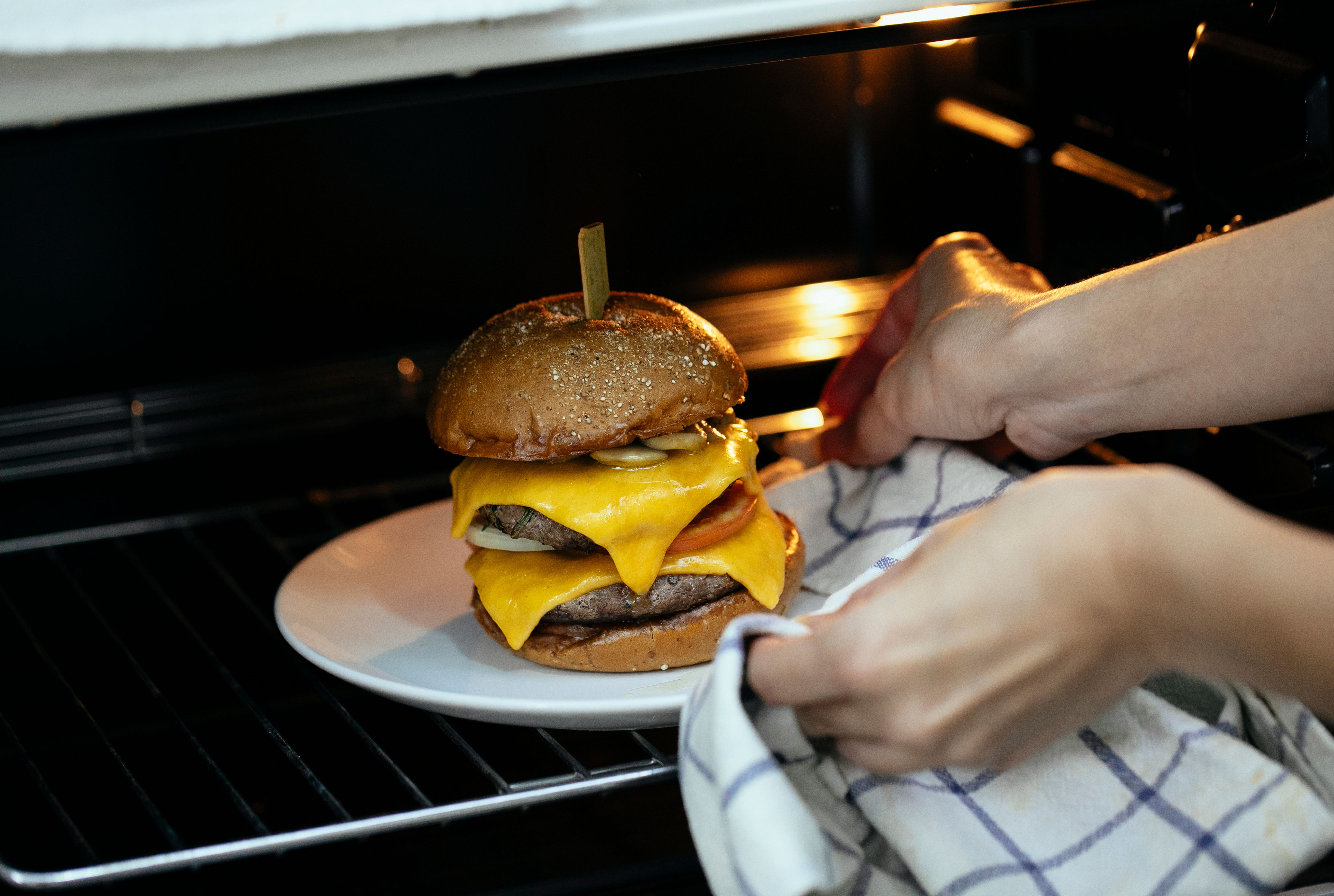
Quick Answer: Cooking in a kitchenette works when you build meals around the equipment you actually have. A microwave, a toaster oven, one skillet and a food thermometer cover most weeknight dinners. Keep ingredient lists short, cook single portions instead of big batches, and confirm doneness by temperature rather than by look.
Most studio kitchens hand you a compact fridge, a microwave, a sink and about three feet of counter. That is enough to eat well. Cooking in a kitchenette is less about giving things up and more about sequencing, so one appliance handles the protein while another warms the side. Residents at Gruene Pointe Apartments work with compact layouts like this every day.
What Cooking in a Kitchenette Actually Involves
A kitchenette is a partial kitchen. Expect a compact refrigerator, a microwave, a sink and limited counter, sometimes a two burner cooktop, rarely a full oven. Kitchenette cooking changes your method, not your menu. Oven roasting becomes toaster oven roasting, sheet pan dinners become skillet dinners, and weekend batch prep becomes same day portions.
Almost every recipe online assumes a full range. The 2020 Residential Energy Consumption Survey from the U.S. Energy Information Administration found that 89% of American households have one, yet those households used the cooktop an average of eight times a week against three times for the oven. Even people who own an oven mostly cook on a burner, which is exactly the habit a small kitchen rewards.
Kitchenette Essentials Worth the Counter Space
Buy less than you think. Six things handle almost everything:
- A 10 inch nonstick skillet with a lid that fits
- A quarter sheet pan sized to your toaster oven
- One deep microwave safe glass dish with a vented cover
- An instant read food thermometer
- Three or four nesting storage containers
- A cutting board wide enough to bridge the sink
Skip the single use gadgets. A quesadilla press earns its space once, and your skillet already does that job.
What Are the Best One Pan Meals for a Two Burner Setup?
One pan meals suit small kitchens because the pan handles the sequencing for you. Start the aromatics, add protein, add a starch and liquid, cover it, finish. Skillet gnocchi with spinach, chicken thighs over rice, black bean and sweet potato hash, shrimp with orzo. One pan, one lid, rarely more than one burner going at a time.
There is a second reason, and it is the sink. Kitchenette sinks are shallow, and most have no dishwasher beside them. Cook three pans for one dinner and cleanup outlasts the meal.
Each appliance is good at something different.
| Appliance | Best for | Weak at | Counter space |
|---|---|---|---|
| Microwave | Steaming vegetables, grains, eggs, reheating | Browning, crisping, even heat | Built in or over the range |
| Toaster oven | Roasting, baking small batches, melting | Anything taller than four inches | Moderate, needs rear clearance |
| Skillet on a burner | Searing, sauces, one pan dinners | Unattended cooking | None when stored |
| Pressure or slow cooker | Beans, soups, braises, rice, hands off meals | Quick weeknight turnaround | Large, store in a cabinet |
| Start with | Microwave plus one skillet | Add a toaster oven next | Fits any kitchenette |
Microwave Meals That Do Not Taste Like a Compromise
Microwave meals get a bad name because people blast a dense container of leftovers on high and call it dinner. Used deliberately, the microwave is a steamer. Cover vegetables with a splash of water and they beat boiled. Oats, poached eggs, rice in a covered dish: fast, and hands off.
USDA Food Safety and Inspection Service guidance is clear that microwave ovens heat unevenly and leave cold spots where bacteria survive, so cover the dish, stir or rotate the food partway through, and let it stand before you check it. Reheated leftovers should reach 165°F on a thermometer, not simply feel hot at the edges.
Toaster Oven Recipes That Replace a Full Oven
Roasted broccoli, salmon fillets, chicken thighs, a small baked pasta, a tray of cookies. Most toaster oven recipes are ordinary oven recipes at a smaller scale, with two adjustments: preheat it properly, and rotate the pan halfway through because the heating element sits inches from the food.
No Oven Recipes for Nights You Will Not Wait
Grain bowls. Big salads with a seared protein on top. Soup, congee, tacos, anything assembled rather than baked. The best no oven recipes lean on a rice cooker or an electric pressure cooker, and plenty of American households already own one. In 2020, 16% used an electric pressure cooker at least once a week and 13% used a rice cooker.
How Do You Keep Small Space Cooking Safe?
Small space cooking puts heat close to everything else you own: the sofa, the bed, the curtains. Cooking is the leading cause of home fires in the United States, and the U.S. Fire Administration reports unattended equipment as the leading contributing factor in nonconfined home cooking fires, at 37%. Stay with the pan.
Keep a pan lid or baking sheet within arm's reach so you can smother a grease fire instead of carrying it to the sink. Turn the burner off if you walk away. Keep towels, packaging and paper off hot surfaces, leave clearance around a running toaster oven, and plug heat producing appliances straight into a wall outlet.
Food storage is the other half. The FDA recommends keeping the refrigerator at 40°F or below and the freezer at 0°F, and refrigerating perishables within two hours of cooking. Cook poultry to 165°F, ground meats to 160°F, and steaks, chops and fish to 145°F with a rest period. Leftovers stay safe for 3 to 4 days.
From Dorm Room Meals to a Real Weeknight Rotation
Dorm room meals are the training version of all this: a mini fridge, a microwave, no burner at all. A kitchenette is an upgrade, with a cooktop and room for a cutting board. Pick five dinners, cook them until you no longer need the recipe, then add a sixth. When you are feeding a group, the clubhouse and other shared community amenities take the pressure off a two burner setup.
Frequently Asked Questions
1. Can you really cook full meals without an oven?
Yes. A skillet, a microwave and a lid cover braises, stir fries, pasta, eggs, soups, grains and most proteins. The only things you give up are large roasts and full size baking. A toaster oven closes even that gap for anything under about four inches tall.
2. What appliances should I buy first for a small kitchen?
Start narrow and add later. In rough order of usefulness for most people:
- A 10 inch nonstick skillet with a lid
- An instant read food thermometer
- A toaster oven, if counter space allows
- A rice cooker or small electric pressure cooker
- Nesting storage containers for portioned leftovers
3. How hot does microwaved food need to get?
Reheat leftovers to 165°F, measured with a food thermometer in more than one spot. Microwaves heat unevenly, so cover the dish, stir or rotate partway through, and allow the standing time listed on the package. Standing time finishes the cooking, which is why skipping it leaves cold centers.
4. How long do leftovers last if I batch cook on Sunday?
Three to four days in the refrigerator, according to USDA guidance, and that clock starts the day you cook. Portion hot food into shallow containers so it cools quickly, refrigerate within two hours, and freeze anything you know you will not eat by midweek.
5. Is a toaster oven or an air fryer better in a kitchenette?
Both are small convection ovens with different baskets. A toaster oven takes flat pans, handles toast and bakes small trays. An air fryer crisps faster in smaller portions and is easier to clean. Measure your counter first, because many kitchenettes have room for exactly one of them.
Small Kitchen, Real Meals
Nobody masters this in a week. Cook two or three dishes until they are automatic, and let the appliance you already own dictate the method. If you are comparing studio floor plans, look at the counter run and where the outlets sit, not just the square footage. Cooking in a kitchenette stops feeling like a limitation somewhere around the third week.