Gruene Pointe Blog | Gruene Historic District Guides, Hill Country Living Tips & New Braunfels Community News

Best Apartments Near Gruene Historic District, New Braunfels, TX-image

META TITLE: Best Apartments Near Gruene Historic District, New Braunfels, TX | 2026 Guide META DESCRIPTION: Find the best apartments near Gruene Historic District in New Braunfels. Compare locations, amenities, proximity to shops, restaurants, and attractions. Renter's guide. URL SLUG: best-apartments-near-gruene-historic-district-new-braunfels Quick Answer: The best apartments near Gruene Historic District offer walkable access to shops, restaurants, and the Guadalupe River. Gruene Point Apartments provides modern amenities with historic charm proximity. Look for units within 1–3 miles of the district for optimal location balance. Introduction Gruene Historic District is one of New Braunfels' most vibrant neighborhoods. Its cobblestone streets, antique shops, art galleries, restaurants, and river access make it a lifestyle destination for renters seeking authentic Texas charm. But not everyone can afford or find apartments directly in the historic district. The good news? Several apartment communities nearby offer excellent locations within walking or short driving distance of Gruene's attractions. This guide covers the best apartments near Gruene Historic District, helping you find the right fit for your lifestyle and budget. You'll learn what makes Gruene special, which neighborhoods offer the best proximity, and how to evaluate apartments based on your priorities. What Makes Gruene Historic District Special for Renters? The Gruene Appeal Built in the 1880s, Gruene Historic District preserves New Braunfels' heritage while offering modern entertainment. Walking through the district, you'll find: Gristmill restaurant overlooking the Guadalupe River Independent boutiques and antique shops Art galleries and local artisan spaces Live music venues and events year-round Direct access to Guadalupe River for tubing and paddling A genuine sense of community and local culture Why Proximity Matters Renters who choose apartments near Gruene enjoy walkable access to restaurants and entertainment without needing to drive for casual outings. You'll save on gas, enjoy more active lifestyle opportunities, and feel connected to New Braunfels' cultural heart. When you understand the complete cost of living in New Braunfels , living near entertainment saves money on transportation and activities. The Reality Check Apartments directly in the historic district are rare and often expensive. Most modern apartment communities are located 1–3 miles away, which is close enough for regular visits but far enough to offer competitive pricing and full amenities. Distance Considerations: Finding Your Ideal Proximity Walking Distance (Under 0.5 Miles) Few apartments exist within true walking distance of Gruene Historic District. Those that do typically cost premium prices. Walking lets you spontaneously visit shops and restaurants without driving. Short Drive (0.5–2 Miles) This is the sweet spot for most renters. You're 2–5 minutes away by car, making regular visits easy and spontaneous. Gruene Point Apartments falls into this ideal range, offering reasonable prices with excellent proximity. Moderate Distance (2–3 Miles) Still convenient for weekend visits and special occasions, though less ideal for frequent drop-ins. You'll likely pay lower rent than closer options and enjoy quieter residential surroundings. Gruene Point Apartments: A Top Choice Near the Historic District Location and Proximity Gruene Point Apartments offers one of the best balances of location, price, and amenities for renters seeking Gruene proximity. The property sits just south of the historic district, making it a convenient home base for exploring the neighborhood. Before committing to any property, confirm the specific location by asking the questions essential to all apartment rentals . What Renters Value at Gruene Point Walking distance to Gruene restaurants and shops (under 1.5 miles) Modern floor plans with contemporary amenities Pet-friendly policies for your furry companions Parking included in most units Pool and fitness facilities Responsive maintenance teams Ideal Renter Profile for Gruene Point Best suited for renters who: Want regular access to Gruene without living downtown Value modern apartment amenities alongside historic charm access Appreciate a shorter commute to downtown New Braunfels employers Seek a balance between urban convenience and peaceful living What to Look for in Apartments Near Gruene Location Features Beyond proximity to Gruene, evaluate these location factors: Traffic patterns: Will your commute to work be reasonable? Avoid properties with heavy rush-hour congestion Neighborhood feel: Is it quiet residential, bustling commercial, or mixed-use? Choose based on your preferences Access to other amenities: Grocery stores, gas stations, doctors, gyms nearby? Safety and lighting: Are parking areas well-lit? Is the neighborhood patrolled? River proximity: Some apartments near Gruene offer direct Guadalupe River access or nature areas Amenity Priorities Choose amenities that match your lifestyle: Fitness-focused: Look for gym, yoga studio, or outdoor fitness areas Social butterfly: Prioritize properties with community events and gathering spaces Quiet and low-key: Seek smaller complexes with fewer events and lower guest traffic Outdoor enthusiast: Find apartments with pool, hot tub, fire pits, or park access Step-by-Step Guide: Finding Your Ideal Apartment Near Gruene Step 1: Define Your Budget and Location Radius Decide how close to Gruene you need to be. Are you fine with a 10-minute drive, or do you want to be within 2 miles? This affects your apartment options and pricing significantly. Consider what you learned from essential questions to ask before renting . Step 2: Research Available Properties Search for apartments in your target area. Focus on communities with strong online reviews and transparent pricing. Read renter reviews specifically mentioning Gruene proximity and access. Step 3: Visit in Daytime and Evening Tour apartments during both daytime and evening hours. Notice how different times feel in the neighborhood. Check parking, lighting, and surrounding business activity. Step 4: Drive to Gruene from Potential Apartments Don't just estimate—actually drive the route from the apartment to Gruene Historic District. Time it during rush hour and at night. This gives you the true experience of your future commute. Step 5: Ask About Residents' Experiences If you can, chat with current residents. Ask about maintenance responsiveness, management friendliness, and whether proximity to Gruene is as convenient as advertised. Step 6: Compare Total Costs Factor in rent, utilities, amenities, parking, and pet fees. Create a spreadsheet comparing 3–5 properties. The cheapest option isn't always the best value. Neighborhood Guide: Areas Near Gruene Historic District South of Gruene (0.5–1.5 Miles) This area includes Gruene Point Apartments and similar properties. It's the most convenient for Gruene access while maintaining quieter residential feel. Expect moderate to higher pricing due to proximity. North and East of Gruene (1–2 Miles) More options and often lower pricing. Still convenient for Gruene visits but slightly less walkable. Good for renters comfortable with short drives. Downtown New Braunfels (2–3 Miles) Further from Gruene but closer to downtown businesses, employers, and services. More affordable options and different neighborhood character. --- Comparing Apartments: Key Features Feature High Priority (Gruene Proximity) Medium Priority Lower Priority (Distance) Distance to Gruene 0.5–1.5 miles (2–5 min drive) 1.5–2 miles (5–8 min drive) 2–3 miles (8–10 min drive) Average Rent (1BR) $1,300–$1,600 $1,150–$1,350 $1,000–$1,200 Walkability Walking distance Short drive required Moderate drive required   Making the Most of Gruene Proximity Weekly Routines Living near Gruene enables regular activities: Weekend breakfast at Gristmill Restaurant Casual shopping and browsing antique stores Live music events and festivals Evening walks along the Guadalupe River Tubing or paddling adventures Date nights with easy parking and walkable access Events and Seasons Gruene hosts events year-round. Living nearby means you can spontaneously attend: Gruene Music Festival (March and October) Summer outdoor concerts Holiday festivals and markets River events and community celebrations Potential Drawbacks to Consider Weekend Crowds Gruene Historic District attracts tourists, especially on weekends. Streets can be crowded, parking limited. If you value solitude, this might frustrate you. However, living nearby means you can visit during quieter weekday mornings. Increased Rent Prices Proximity to Gruene drives up apartment prices. You'll pay premium pricing for location. Weigh whether Gruene access is worth the extra cost in your budget. Limited Downtown Parking The historic district has limited parking. Even residents sometimes struggle finding spots during peak times. Budget extra time for parking when planning Gruene visits. Noise from Events If you live very close to Gruene, you might hear live music or event activity on weekends. Confirm noise levels during your apartment tours on Saturday evenings. FAQ: Living Near Gruene Historic District Q1: How close do I need to be to Gruene for convenient access? Within 1.5 miles is ideal for regular spontaneous visits (2–5 minute drive). Between 1.5–2 miles is still convenient but requires more deliberate planning. Beyond 2 miles, visits become less casual. Consider the cost of living differences between neighborhoods when deciding. Q2: What is the average rent for apartments near Gruene? Apartments within 1 mile of Gruene Historic District typically range $1,300–$1,600/month for one-bedroom units. Prices decrease as you move further away, with options below $1,200/month at 2+ miles. Q3: Can I walk to Gruene from nearby apartments? Depending on exact location, some apartments are within 15–20 minute walk of Gruene. However, most apartment communities require a short drive. Confirm walking routes during your tour. Q4: Is Gruene safe for evening visits? Gruene Historic District is well-maintained and generally safe. It's a popular tourist destination with regular foot traffic and security presence. Visit during your preferred times to assess personal comfort. Q5: What apartments offer the best Gruene proximity without premium pricing? Gruene Point Apartments offers one of the best balances—close location with reasonable pricing. Properties slightly further away (1.5–2 miles) also offer value while maintaining convenient access. Q6: Can I use Gruene restaurants and shops if I'm renting in the area? Absolutely. Gruene Historic District is fully public. Restaurants, shops, galleries, and attractions welcome residents and visitors equally. You have full access to everything the district offers. Next Steps for Your Search Ready to find your ideal apartment near Gruene? Start by reviewing the questions to ask before renting any apartment . If you're considering San Marcos or San Antonio, check out options near Texas State University or explore San Antonio's public transit options for comparison. For renters comparing regions, understanding Houston's cost of living helps contextualize New Braunfels pricing. Once you've narrowed down your options, visit properties during both day and evening hours and talk to current residents about their experiences. Conclusion Living near Gruene Historic District offers a unique blend of modern apartment living and authentic Texas culture. Gruene Point Apartments and similar nearby communities provide convenient access without requiring you to live in a historic building with limited modern amenities. The key is finding the right balance between proximity to Gruene and your other lifestyle needs—commute, budget, amenities, and neighborhood character. Use the checklist and comparison tools in this guide to evaluate your options systematically. Gruene isn't just a neighborhood; it's a lifestyle choice. If regular access to local restaurants, galleries, live music, and river activities appeals to you, finding an apartment within 1–2 miles of the historic district is absolutely worth the investment. Start your search today and imagine yourself exploring Gruene's cobblestone streets as a resident.

Read more
How to Keep Your Apartment Smelling Fresh Year-Round-image

Quick Answer To keep your apartment smelling fresh year-round, focus on four core habits: ventilate daily, control moisture to prevent mold, eliminate odors at their source rather than masking them, and use natural neutralizers like baking soda, activated charcoal, or essential oil diffusers. Consistent cleaning is the most effective long-term solution. Walk into a fresh-smelling apartment and you instantly feel at home. Walk into one that carries a stale, musty, or mystery-food odor — and it's hard to shake that feeling no matter how clean everything looks. The good news: keeping your apartment smelling fresh year-round isn't about buying expensive products or spraying air freshener every hour. It's about a few smart habits that address odors at the source — and keep them from coming back. This guide covers every practical angle, from everyday ventilation tricks to seasonal deep-cleaning steps that renters at Grüne Pointe Apartments and beyond can use immediately. What Does "Fresh-Smelling Apartment" Actually Mean? A fresh-smelling apartment is one where indoor air is clean, neutral, and free of persistent or unpleasant odors. It doesn't mean your home has to smell like a candle store. "Fresh" simply means the air has been properly ventilated, moisture is controlled, and organic odor sources — cooking, pets, trash, fabric — are managed regularly. The difference between a fresh apartment and a stale one usually comes down to three things: airflow, moisture, and how quickly you address odor sources. Why Apartments Trap Odors More Than Houses Apartments tend to be smaller and more enclosed than houses. Less square footage means cooking smells, pet odors, and moisture have fewer places to go. Add shared hallways, building HVAC systems, and limited window access, and you have a recipe for stale air. The most common odor sources in apartments include: Kitchen cooking (especially fish, spices, and oils) Bathroom moisture and mildew Garbage and food waste Pet hair, dander, and litter Laundry and damp towels Carpets and upholstered furniture HVAC or air vent dust buildup Step-by-Step: How to Keep Your Apartment Smelling Fresh Ventilate every morning. Open windows for at least 10–15 minutes each day, even in winter. Fresh outdoor air flushes stale air and dilutes indoor pollutants. Run exhaust fans while cooking and for 20 minutes after. Cooking vapors contain grease particles that settle on surfaces and build up into a persistent odor layer. Take out the trash every 2–3 days. Don't wait for the bag to be full. Food-based odors accelerate quickly, especially in warm months. Deep-clean the refrigerator monthly. Wipe down shelves with a baking soda solution and keep an open box of baking soda inside at all times. Wash soft surfaces regularly. Curtains, throw blankets, couch cushion covers, and rugs absorb and hold odors. Wash them every 2–4 weeks. Dry laundry promptly. Wet clothes left in the washer for even a few hours develop a mildew smell. Move loads to the dryer immediately. Clean drains weekly. Pour baking soda followed by white vinegar down kitchen and bathroom drains once a week to break down buildup. Place odor absorbers in problem areas. Activated charcoal bags are highly effective and last months. Place them in closets, bathrooms, near litter boxes, or under sinks. Use a HEPA air purifier in main living areas. Air purifiers with HEPA filters capture airborne particles including pet dander, dust, and VOCs that contribute to stale air. Address moisture fast. Any wet spot can lead to mold within 24–48 hours. Mold produces one of the most persistent and unpleasant odors in any home. Natural Odor Neutralizers That Actually Work Baking Soda Sodium bicarbonate neutralizes both acidic and basic odor molecules. Place an open box in the refrigerator, sprinkle on carpets before vacuuming, or mix with water to wipe down trash cans and cutting boards. Activated Charcoal Activated charcoal is highly porous and traps odor molecules from the air without releasing anything back. Reusable bags can be refreshed in sunlight and last up to two years. White Vinegar White vinegar neutralizes alkaline odors like pet urine and smoke. Its own smell dissipates within minutes of drying. Use it diluted in a spray bottle to wipe hard surfaces, trash cans, and appliance interiors. Essential Oil Diffusers Ultrasonic diffusers add a light, natural scent. Popular options include lavender, eucalyptus, and lemon. These work best as a final layer — after the underlying odors have been addressed. Pro Tip: The order matters. Eliminate odor sources first, then neutralize, then layer in fragrance. Skipping straight to fragrance just stacks smells. Room-by-Room Odor Control Guide Kitchen Clean stovetop grease after every use Empty the grease trap or drip pan regularly Keep a small bowl of white vinegar on the counter overnight after heavy cooking Replace sponges weekly — they harbor bacteria and develop odor fast Bathroom Run the exhaust fan during and for 15 minutes after every shower Hang towels fully open to dry — never bunched on a hook Clean the toilet bowl, rim, and seat with disinfectant at least twice a week Check for mold behind the toilet and under the sink monthly Bedroom and Living Areas Vacuum carpets and rugs twice a week if you have pets Rotate and air out your mattress every 2–3 months Wash pillowcases weekly Keep windows open in the morning when outdoor air is freshest Closets and Storage Place cedar blocks or activated charcoal pouches inside closets Don't store dirty laundry in an enclosed bin for more than 3–4 days Let shoes air out before putting them away Odor Control Comparison: Methods and Products Method / Product How It Works Effectiveness Lasts Best For Baking Soda Neutralizes odor molecules High 1–3 months Fridge, carpets, trash cans Activated Charcoal Bags Absorbs and traps odors Very High Up to 2 years Closets, bathrooms, litter areas White Vinegar Spray Neutralizes alkaline odors High Single use Surfaces, drains, pet odors HEPA Air Purifier Filters airborne particles Very High Continuous Main living areas, pet homes Essential Oil Diffuser Adds natural scent Low–Medium Per use Final scent layer after cleaning Plug-In Air Fresheners Fragrance masking only Low 2–4 weeks Temporary use only Ventilation / Open Windows Dilutes and removes indoor air Very High Continuous Daily maintenance, all rooms Seasonal Freshness Tips Spring and Summer Warm months amplify odors — bacteria multiply faster in heat. Take trash out more frequently, store food in sealed containers, and run a dehumidifier if your apartment gets humid. Open windows in the morning before it gets hot outside. Fall and Winter With windows closed, indoor air recirculates. Change HVAC filters every 60–90 days and consider adding a portable air purifier. Keep bathroom fans running longer, and watch for condensation on windows — it signals excess humidity that leads to mold. Common Mistakes That Make Apartments Smell Worse Relying on air freshener sprays. Aerosol sprays coat odors with fragrance but don't remove them. The combined smell can be worse than the original problem. Ignoring the HVAC filter. A dirty filter recirculates dust, dander, and mold spores. Replace it every 1–3 months. Leaving wet items in enclosed spaces. Wet swimsuits in gym bags, damp towels in hampers, and soaked mop heads are fast mildew producers. Forgetting the trash can itself. The bag isn't the only source. Wash the bin itself with dish soap and baking soda monthly. Putting off the fridge cleanout. A single forgotten container of leftovers can make your entire kitchen smell for days. Pet-Friendly Apartments: Extra Odor Strategies Pet odors come from dander, saliva, fur, and accidents — and they settle deep into fabrics and carpet fibers quickly. These extra steps help: Vacuum pet areas daily or every other day with a pet-hair vacuum Wash pet bedding weekly in hot water Clean litter boxes daily and do a full litter swap every 7–10 days Use an enzyme-based cleaner (like Nature's Miracle) for accidents — enzyme cleaners break down urine proteins rather than just masking the smell Consider a dedicated air purifier near sleeping or resting areas Frequently Asked Questions How do I get rid of a musty smell in my apartment? A musty smell usually signals mold or mildew growth caused by excess moisture. Check bathrooms, under sinks, and window frames. Clean mold with a white vinegar solution, improve ventilation, and use a dehumidifier. If mold is widespread or inside walls, contact your property management team immediately. What absorbs bad smells in an apartment fast? Activated charcoal bags work fastest for ongoing odor absorption. For immediate results, place small bowls of baking soda or white vinegar near the odor source overnight. Opening windows and running fans to force fresh air exchange is the quickest all-purpose fix available to renters. Can cooking smells permanently damage an apartment? Persistent cooking odors — especially from fish, spices, and deep-frying — can embed into walls, ceilings, and soft furnishings over time. They don't cause structural damage but may require professional cleaning or repainting to fully remove. Using range hood exhaust fans consistently prevents buildup from becoming a long-term problem. How often should I deep clean my apartment to prevent odors? A light clean every 2–3 days prevents most odors. A deeper clean — including drains, refrigerator interior, upholstery, and behind appliances — should happen once or twice a month. Seasonal deep cleans in spring and fall are ideal for tackling areas you don't normally reach. Do air purifiers actually help with apartment odors? Air purifiers with HEPA filters effectively reduce airborne particles that carry odors, including pet dander and mold spores. Models with activated carbon filters add a layer of odor molecule absorption. They work best alongside — not instead of — source-level odor control and regular cleaning. Is it okay to use scented candles to freshen up an apartment? Scented candles can add a pleasant ambient scent but don't neutralize odors. Always check your lease first — some communities restrict open flames. Battery-powered wax warmers are a safe and lease-friendly alternative. Conclusion Keeping your apartment smelling fresh year-round comes down to consistency, not complexity. Ventilate daily, tackle odor sources before they build up, use natural neutralizers where it counts, and clean surfaces regularly. You don't need a closet full of air fresheners — just a handful of good habits applied consistently. At Grüne Pointe Apartments , we believe a great living experience starts with a home that feels genuinely comfortable. Use this guide as your year-round reference, and your apartment will thank you.

Read more
How to Read an Apartment Floor Plan Before You Tour-image

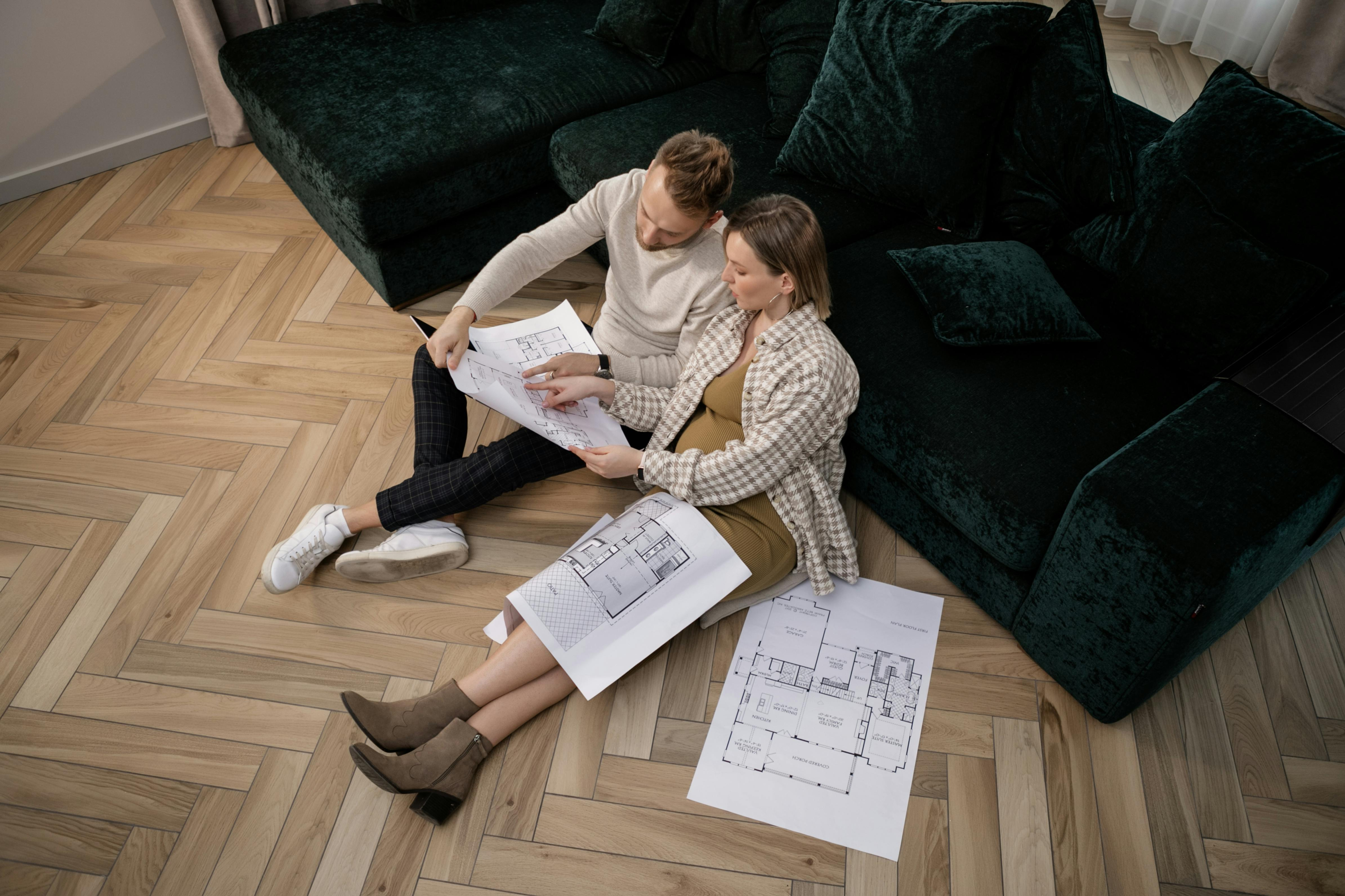
Quick answer: To read an apartment floor plan, start with the scale (often 1/4" = 1 foot in the U.S.), check the legend for symbols and abbreviations, read the dimension lines for real measurements, then trace the flow between rooms. Doing this before a tour helps you picture the space, judge whether your furniture fits, and spot layout issues early. A floor plan can look like a maze of lines and tiny symbols at first glance. But learning how to read an apartment floor plan turns that maze into a clear map — one that tells you how a home will actually live before you ever set foot inside. It’s an especially useful skill when comparing compact layouts, like deciding between a studio and a one-bedroom where every square foot counts. Reading plans well saves time, prevents disappointment, and helps you tour smarter by knowing what questions to ask. It pairs naturally with understanding unusual layouts too, such as the micro-apartment format , where efficient design makes or breaks the space. This guide walks through scale, symbols, dimensions, and flow so you can decode any plan with confidence. What is an apartment floor plan? An apartment floor plan is a scaled, top-down drawing of a unit — as if the roof were lifted off and you were looking straight down at the walls, doors, windows, and rooms. Everything on it is drawn in proportion, so the relationships between spaces are accurate even when furniture isn’t shown. Think of it like peering into a dollhouse from above. This bird’s-eye view reveals the layout, how rooms connect, and the overall flow of the space — information a few listing photos can’t fully convey. Start with the four essentials Before getting lost in details, locate these four things on any plan. They unlock everything else. Scale. The ratio between drawing and reality (often 1/4" = 1’ in U.S. homes). Without it, room sizes are just guesses. Legend or key. Defines the symbols and abbreviations used, from electrical outlets to W/D (washer/dryer) and WIC (walk-in closet). Dimensions. The measured length and width of rooms, shown with numbers and dimension lines. Orientation. Look for a north arrow to understand which rooms get morning or afternoon light. Understanding scale Scale is the single most important and most misread element. The most common notation in U.S. residential plans is 1/4" = 1’, meaning every quarter-inch on paper represents one foot in real life. Some plans use 1/8" instead, and others include a graphic scale bar you can measure against. A reliable trick: confirm the scale using a known feature. A standard interior door is about 3 feet wide (roughly 0.9 meters). If the door on the plan matches the scale, the rest of the measurements should be trustworthy. And always check whether the plan uses feet/inches or metric units before drawing conclusions. Decoding common floor plan symbols Symbols are a visual shorthand. Once you know a handful, most plans become readable. Common apartment floor plan symbols and what they mean Element How it appears What to note Exterior walls Thick lines Usually load-bearing; define the unit’s footprint Interior walls Thin lines Partitions between rooms Dashed lines Broken lines Overhead items like cabinets or ceiling changes Swing door Straight line + arc Arc shows swing direction; needs clear floor Sliding door Two overlapping parallel lines Saves floor space; common for closets Window Thin parallel lines in a wall gap Affects light and furniture placement Stairs Series of rectangles with an up/down arrow Direction matters in multi-level units A note on doors, because they trip people up: a door swinging into a room clears a 30-to-32-inch arc of floor that must stay unobstructed. Spot the arc before you imagine placing a dresser or sofa there. Reading dimensions and checking fit Dimensions tell you the real size of each room. Look for lines or arrows next to walls with a number like “14’-6”, which means 14 feet 6 inches. These are defined by termination symbols such as hash marks or arrows. To judge whether your life fits the space: Measure your large furniture — bed, sofa, dining table — before you tour. Compare to room dimensions on the plan, leaving space for door swings and walkways of at least three feet. Compare to your current home. Measuring a room you already live in gives you an instant sense of scale. Check storage, not just rooms. Look at closet and cabinet space; it’s easy to underestimate what you need. Reading the flow of a space A great layout isn’t just measured well — it moves well. Beyond individual rooms, trace how you’d actually live in the unit. Circulation: Does the path move logically from entry to living areas to private bedrooms? Sightlines: Can you see from the kitchen to the dining or living area? Wasted space: Long, dark corridors eat square footage without adding function. Clearances: Kitchens and baths are detail-dense — look for room around fixtures and aisles. Why read the plan before you tour? Doing this homework changes how you tour. Instead of being swayed by staging and good photography, you arrive knowing the real dimensions and layout. You can confirm whether the space feels as big as the numbers suggest, check that your furniture fits, and ask pointed questions about anything the plan left unclear. Many communities now offer 3-D floor plans, which make it even easier to visualize scale and flow. If one’s available, use it alongside the standard 2-D plan. Common mistakes when reading floor plans Ignoring the scale. The number-one error — a room can look big on paper and feel small in person. Skipping the legend. Assuming what a symbol or abbreviation means leads to bad assumptions. Forgetting door swings. An open door can block exactly where you planned to put furniture. Overlooking dashed lines. They signal overhead elements that affect storage and feel. Not checking orientation. A west-facing bedroom gets warm afternoon light, which may or may not suit you. Frequently asked questions What does the scale on a floor plan mean? Scale is the ratio between the drawing and real life. In U.S. residential plans, 1/4 inch = 1 foot is most common, meaning every quarter-inch on paper equals one foot in the actual space. Always find the scale before judging room sizes. What do dashed lines mean on a floor plan? Dashed lines usually indicate features located above eye level or hidden from the top-down view, such as overhead cabinets, shelves, or changes in ceiling height. They are easy to overlook but can affect storage and how a room feels. How is a door shown on an apartment floor plan? A swing door appears as a straight line with an arc. The straight line is the door in its closed position, and the arc shows the path it sweeps when opening. Note the swing direction, since an open door needs about 30 to 32 inches of clear floor. What do W/D and WIC mean on a floor plan? These are common abbreviations. W/D means a washer/dryer hookup or unit, and WIC means walk-in closet. Floor plans often use a legend or key that defines these abbreviations and symbols, so check it before assuming what a label means. How can I tell if my furniture will fit? Use the plan’s dimensions and scale. Measure your large furniture, then compare it to the room measurements on the plan. Leave room for door swings and walkways of at least three feet. Comparing to your current home’s measurements also helps you visualize the space. The bottom line Learning how to read an apartment floor plan is really three skills: getting a feel for scale, recognizing standard symbols, and understanding dimensions and flow. Start with the scale and legend, read the measurements, trace how you’d move through the space, and watch for door swings and dashed lines. Do this before you tour, and you’ll walk in already knowing whether the apartment fits your life.

Read more
What Is a Micro-Apartment? Guide for Renters | Gruene Pointe Apts-image

Quick Answer A micro-apartment is a small, self-contained rental unit, typically between 150 and 400 square feet, designed to maximize function in a minimal footprint. Common in dense urban areas, they feature space-efficient layouts with built-in storage, convertible furniture, and combined living and sleeping areas. They're popular with young professionals, students, and urban renters prioritizing location over space. Introduction Apartment sizes keep shrinking in America's major cities — and that's not a mistake. The rise of the micro-apartment reflects a real shift in how people live, work, and spend money on housing. If you've seen listings for units under 400 square feet and wondered whether they're actually livable, this guide is for you. We'll cover exactly what a micro-apartment is, what to expect inside one, and how to decide if small-space living matches your lifestyle. What Is a Micro-Apartment? (Definition) A micro-apartment is a self-contained residential unit with a total floor area typically between 150 and 400 square feet. Unlike a traditional studio — which averages 400–600 square feet — a micro-unit is intentionally minimal, with every square inch designed to serve multiple functions. These units almost always include a small kitchen or kitchenette, a bathroom, and a combined sleeping and living area. Many feature built-in furniture, murphy beds, fold-out tables, and wall-mounted storage that disappear when not in use. How Micro-Apartments Differ from Studios and Regular Apartments Unit Type Typical Size Separate Bedroom Built-In Furniture Common In Micro-Apartment 150–400 sq ft No Usually yes Dense urban areas Studio 400–600 sq ft No Rarely Cities, suburbs 1-Bedroom 550–900+ sq ft Yes No All markets Efficiency Unit 200–450 sq ft No Sometimes Urban/college towns Micro-apartments are smaller than studios, but the key difference is intentional design. Studios often feel cramped when they're small. Micro-units are engineered to not feel that way. Still deciding between space options? See: Studio vs. 1-Bedroom Apartment: Which Is Better for a First-Time Solo Renter? Where Are Micro-Apartments Most Common? Micro-apartments are primarily a feature of high-cost, high-density housing markets. You'll find the highest concentrations in: New York City — particularly Manhattan and parts of Brooklyn San Francisco and the Bay Area Seattle, where the city approved smaller minimum unit sizes in recent years Boston, Chicago, and Washington D.C. College towns and university districts across the country They're most common where demand for central locations is high and land is expensive. The trade-off is: less space, but better access to transit, restaurants, and jobs. What to Expect Inside a Micro-Apartment Space-Efficient Features You'll Typically Find Murphy beds or loft beds that fold up to free daytime floor space. Convertible sofas or daybeds that serve as both seating and sleeping areas. Fold-out or wall-mounted dining tables. Built-in shelving, under-bed storage drawers, and custom closet systems. Compact appliances: two-burner cooktops, counter-depth refrigerators, combination washer/dryers. What You Might Not Find Full-size kitchen with standard oven. Many micro-units use microwave/convection combos. A separate living room area. Walk-in closets or dedicated laundry. Space for a home office setup — though a desk nook is often built in. Step-by-Step: How to Decide If a Micro-Apartment Is Right for You Measure your current living habits: how much floor space do you actually use day-to-day? List everything you own — then decide honestly what you'd need to donate or store. Consider your work life: do you work from home often? A micro-unit might feel confining. Calculate your budget: compare micro-unit rent with studios in the same area. Visit a micro-apartment in person before signing — square footage photos are misleading. Check building amenities: gyms, coworking lounges, and rooftop spaces often compensate for smaller units. Try “micro living” for a short-term rental first if you're unsure about the commitment. Pros and Cons of Micro-Apartment Living Advantages Lower rent in desirable, central locations. Lower utility costs due to smaller heating/cooling footprint. Forces intentional, clutter-free living. Usually in walkable, transit-accessible neighborhoods. Easier and faster to clean. Drawbacks Limited space for entertaining, guests, or overnight visitors. Can feel claustrophobic without natural light and good ventilation. Storage is genuinely limited — you'll need to downsize. Not ideal for remote workers who need a dedicated, distraction-free office. Resale or rental value comparisons are harder when upgrading. Mistakes to Avoid When Renting a Micro-Apartment Signing a lease without visiting in person. Photos always make spaces look larger. Forgetting to ask about building storage, bike rooms, or co-working spaces. Bringing oversized furniture from a previous, larger apartment. Ignoring natural light — a dark micro-unit is genuinely difficult to live in. Not accounting for parking. Read: Garage vs. Covered Parking in Apartments How to Make the Most of a Micro-Apartment Use light colors on walls and furniture to visually expand the space. Go vertical: wall-mounted shelves, tall bookcases, and hanging storage maximize unused height. Keep only what you use regularly. Seasonal or rarely used items belong in building storage. Invest in quality multi-use furniture: ottomans with storage, beds with drawers, expandable tables. Use mirrors strategically to reflect light and make rooms feel larger. FAQ: Micro-Apartments How small is too small for an apartment? Most renters find units under 200 square feet genuinely difficult to live in long-term unless the layout is exceptionally efficient. Between 250 and 400 square feet is manageable for one person with minimal belongings, especially with quality built-in storage and natural light. Are micro-apartments cheaper than studios? Generally, yes — micro-apartments are cheaper in absolute monthly rent. However, on a per-square-foot basis, they can actually be more expensive, since you're paying a premium for a central, in-demand location. Always compare the cost per square foot when evaluating value. Can you comfortably work from home in a micro-apartment? It's possible but challenging. Many micro-units include a built-in desk nook, but without a dedicated room for work, the boundaries between work and rest can blur. If you work from home full-time, a studio or 1-bedroom is likely a better fit. Do micro-apartments come furnished? Many do. Purpose-built micro-apartment buildings often include built-in or integrated furniture — murphy beds, fold-out tables, wall storage — as part of the unit design. Always confirm what's included in the lease before assuming a unit comes furnished. Are micro-apartments a good option for couples? Rarely. While a single person can adapt to 300–400 square feet, two people sharing the same space full-time can find it genuinely stressful. Most micro-apartment buildings are marketed to and designed for solo renters.

Read more
5 Signs It’s Time to Upgrade Your Apartment | Greune Point Apartments-image

Quick Answer: It may be time to upgrade your apartment if you feel cramped, your lifestyle has changed, your commute is no longer convenient, your apartment feels outdated, or you are ready for a better overall living experience. An upgrade should make daily life easier, more comfortable, and more enjoyable. For a broader perspective on apartment upgrades, you can also read RPM Living’s guide to upgrading your apartment . 1. You’ve Outgrown the Space One of the clearest signs that it is time to upgrade is when your apartment no longer fits your daily routine. Maybe you are using the dining table as a home office, running out of storage, or constantly rearranging furniture just to make things work. When a space starts feeling too small, comfort usually goes down. This is especially common if your household has changed or you now need more room for work, hobbies, or guests. A larger layout can make the apartment feel less crowded and more functional. If you are always trying to create more room, your current apartment may no longer be the right fit. Sometimes the biggest sign is simply that your home no longer feels easy to live in. 2. Your Lifestyle Has Changed Life changes often mean your apartment needs to change too. Maybe you work from home more often now, adopted a pet, or want access to better amenities that support your routine. As your lifestyle evolves, your living space should evolve with it. A home that once made sense may now feel limiting. For example, someone who used to spend most of the day out may now need a quieter, more flexible space. Matching your apartment to your current lifestyle can make everyday life much smoother. If your needs have shifted, upgrading can be a practical move rather than just a personal preference. 3. Your Commute or Location Is No Longer Convenient Location has a major effect on your quality of life. If your commute has become longer or your current neighborhood no longer works well for errands, work, or daily routines, an upgrade may be worth considering. A more convenient location can save time and reduce frustration. Even a great apartment can feel like the wrong choice if it creates too much daily hassle. Sometimes moving to a better location is the simplest way to improve your routine. That convenience often matters more than renters expect at first. When your location starts making life harder instead of easier, that is a strong sign to look elsewhere. 4. Your Apartment Feels Outdated Outdated finishes, worn appliances, and tired-looking interiors can make an apartment feel less enjoyable over time. If you are no longer happy with the way your home looks or functions, that can be a sign it is time to upgrade. A fresh space often feels more motivating and comfortable. You do not need luxury finishes to deserve a better living experience. Even simple updates like newer appliances, improved layouts, or better natural light can make a big difference. A more modern apartment can improve both style and day-to-day convenience. At some point, the apartment should feel like a place you actually look forward to coming home to. 5. You’re Ready for Something Better Sometimes the signs are less practical and more personal. You may simply feel ready for a fresh start, better amenities, or a space that feels more aligned with your goals. That feeling is worth paying attention to. Upgrading is not always about solving a major problem. Sometimes it is about choosing a home that feels more comfortable, more inspiring, and better suited to where you are in life now. If you keep imagining a different living experience, that may be your answer. Wanting something better is a valid reason to move forward. Why Upgrading Can Be Worth It Upgrading your apartment can improve comfort, convenience, and overall satisfaction. A better layout, more space, or a more suitable location can make daily life feel noticeably easier. That is why many renters eventually decide to make a change even if their current apartment is still usable. At Greune Point Apartments , the right apartment should support your current routine and help your home feel more balanced. A move should make life simpler, not more stressful. That is why recognizing the signs early can help you choose a better long-term fit. Featured Snippet Style Definition What are 5 signs it’s time to upgrade your apartment? The five main signs are that you have outgrown the space, your lifestyle has changed, your commute is inconvenient, your apartment feels outdated, or you are ready for something better. Step-by-Step Guide Check whether your apartment still fits your daily routine. Look at how your lifestyle has changed. Evaluate your commute and neighborhood convenience. Notice whether the apartment feels outdated or uncomfortable. Compare your current needs with better apartment options. Comparison Table Sign What It Means Why It Matters Outgrown space Your apartment no longer fits your needs Daily life feels cramped Lifestyle change Your routine has shifted You may need a different setup Poor location fit Commute or errands are inconvenient More time and stress each day Outdated apartment The home no longer feels fresh Less comfort and satisfaction FAQ How do I know if I need a bigger apartment? If you are constantly short on storage, space, or privacy, a bigger apartment may be the right move. Should I upgrade just because I want a change? Yes, if your current apartment no longer supports your comfort or goals, wanting a change is a valid reason. Does location matter when deciding to upgrade? Yes. A better location can save time and improve your day-to-day routine. What if my apartment is fine but feels outdated? That can still be a sign to upgrade if the apartment no longer feels enjoyable or functional. Is upgrading always about more space? No. Sometimes better amenities, a better layout, or a more convenient location matter just as much. Conclusion Knowing when it is time to upgrade your apartment can help you make a smarter decision before frustration builds up. If your space feels too small, your lifestyle has changed, or you simply want something better, it may be time to start looking. If you are considering Greune Point Apartments , these signs can help you decide whether a new apartment is the right next step for you.

Read more
How to Style a Studio Apartment: 10 Tips You Need to Know-image

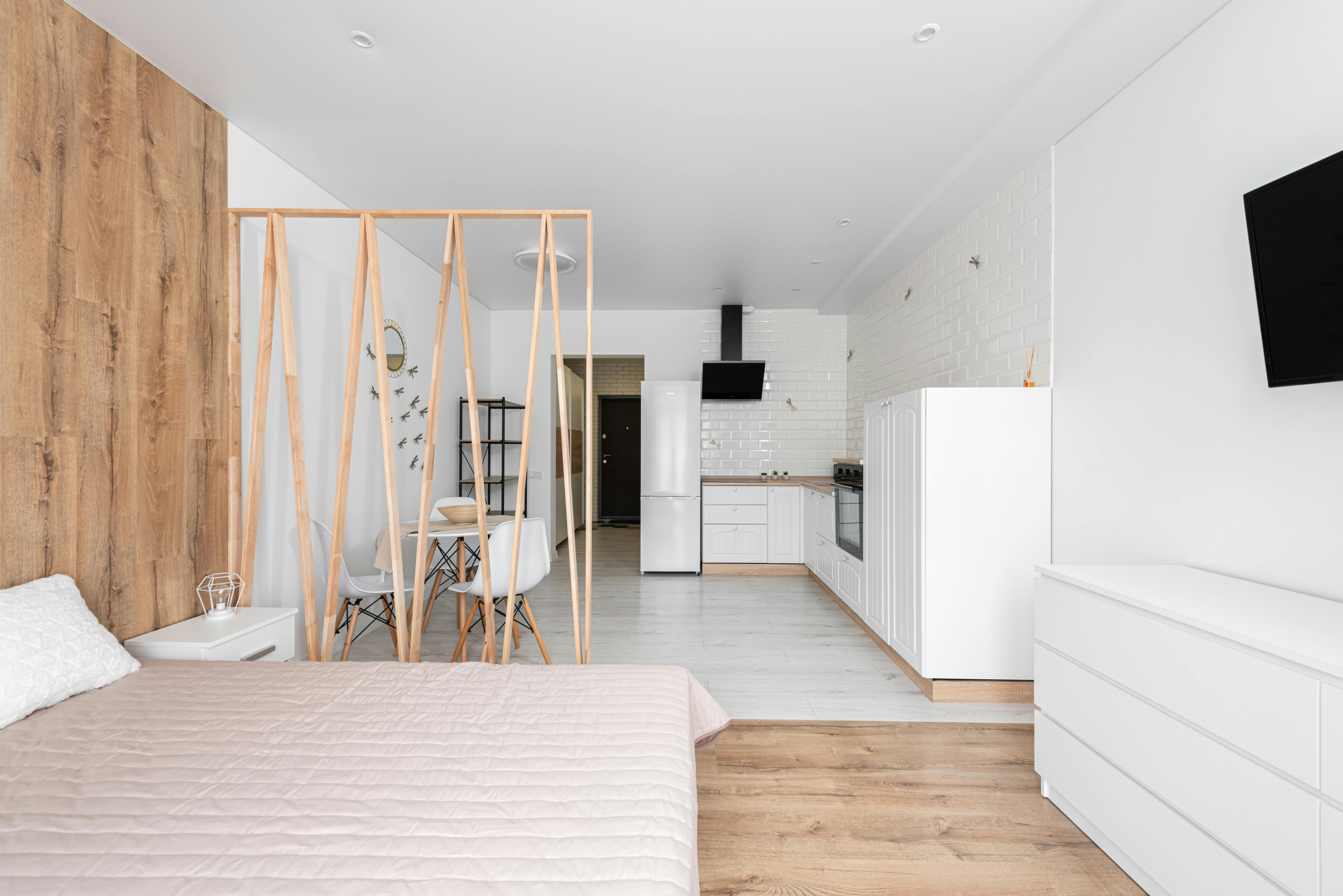
Quick Answer: The best way to style a studio apartment is to create clear zones, use multifunctional furniture, keep the palette cohesive, and maximize light and vertical storage. A smart layout makes a small studio feel bigger, cleaner, and more comfortable. Styling a studio is less about filling space and more about making the space work for your daily life. When you balance function and design, even a compact apartment can feel inviting and spacious. 1. Create Clear Zones One of the most important studio apartment tips is to separate your space into zones. Even without walls, you can define a sleeping area, living area, and work corner with rugs, furniture placement, or room dividers. This helps the apartment feel organized instead of all mixed together. Using visual boundaries also makes the room easier to use day to day. A rug under the sofa or a shelving unit between your bed and living area can create structure without blocking light. Clear zones make a studio feel much more livable. This is one of the simplest ways to make a small home feel more thoughtful and functional. 2. Choose Multifunctional Furniture Furniture that does more than one job is ideal for studio apartments. Think storage ottomans, sofa beds, fold-out tables, and bed frames with drawers. These pieces help you save space while keeping the apartment useful and comfortable. When every square foot matters, multifunctional furniture reduces clutter and makes the layout easier to manage. It also helps you avoid bringing in too many separate pieces. That means more room to move around and a cleaner overall look. In a studio, smart furniture choices often matter more than decorative ones. 3. Keep a Cohesive Color Palette A unified color scheme helps a studio feel calm and connected. Light neutrals, soft grays, warm whites, and muted tones often work well because they make the room feel more open. You can still add personality through accent pieces like pillows, artwork, or throws. Too many competing colors can make a small apartment feel busy. A consistent palette creates visual flow from one zone to another. That makes the space feel larger and more polished. According to Redfin’s studio styling guide , a cohesive color scheme is one of the easiest ways to create unity in a compact home. 4. Maximize Natural Light Natural light can make a studio apartment look and feel much bigger. Use sheer curtains or lighter window coverings to let sunlight move through the room. Avoid heavy treatments that block too much light unless privacy is a major concern. Keeping windows as open as possible also helps the apartment feel airy. Place taller items away from windows so they do not interrupt the light flow. Bright rooms tend to feel more welcoming and less crowded. Light is one of the most powerful design tools in small-space decorating. 5. Use Vertical Storage When floor space is limited, look upward. Tall shelves, wall-mounted storage, and vertical organizers can help you free up valuable room. This keeps the apartment from feeling cluttered while giving you a place to store everyday items. Vertical storage is especially useful for books, decor, baskets, and kitchen essentials. It also draws the eye upward, which can make the apartment feel taller. A tidy wall can do a lot for the overall look of a studio. Making use of height is one of the smartest space-saving strategies available. 6. Add Mirrors for Depth Mirrors are a classic small-space trick because they reflect light and create the illusion of more room. A large wall mirror or mirrored accent piece can make a studio feel brighter and more open. They work especially well near windows or in darker corners. The key is to place mirrors where they reflect something attractive, such as natural light or a clean part of the room. That helps the space feel intentional rather than decorative only. A well-placed mirror can change the whole atmosphere. For studio styling, mirrors are both practical and visually effective. 7. Keep Decor Simple In a studio apartment, less really is more. Too many decorative objects can make the space feel crowded, while a few well-chosen pieces can make it feel polished. Focus on decor that adds personality without taking over the room. Wall art, a statement lamp, or one or two accent accessories are usually enough to create interest. The goal is to make the apartment feel styled, not overfilled. Clean surfaces also help the room feel more spacious. A simple approach often creates the most sophisticated result. 8. Use Bedding as a Design Anchor Your bed usually takes up a lot of visual space in a studio, so the bedding matters more than you might think. Choose bedding that supports your color palette and feels intentional. A tidy, well-styled bed can set the tone for the entire apartment. Layered bedding with texture can make the room feel cozy without adding clutter. If your sleeping area is visible from the main living area, this becomes even more important. The bed should look like part of the design, not an afterthought. It is one of the easiest places to make a strong visual impact. 9. Add Soft Textures Texture brings warmth into a small apartment and keeps it from feeling flat. Rugs, curtains, cushions, throws, and upholstered furniture can all make the room feel more inviting. Soft textures also help balance hard surfaces like wood, metal, or glass. When used well, texture can make a studio feel cozy while still looking clean. It adds depth without making the room feel crowded. This is especially helpful in minimal or neutral interiors. A layered texture approach can make a small studio feel much more finished. 10. Make Every Piece Earn Its Place In a studio, every item should have a clear purpose. Before adding something new, ask whether it improves comfort, storage, or style. If it does not, it may not belong in the space. This mindset helps you avoid clutter and stay organized over time. It also makes it easier to maintain the apartment because there is less excess to manage. A well-styled studio feels balanced, not packed. Intentional choices are what make a small apartment feel truly livable. Why Studio Styling Works Styling a studio apartment well can make a big difference in how the space feels every day. A good layout improves flow, while the right furniture and decor help the home feel open and comfortable. Small changes can make the apartment feel much larger than it really is. At Greune Point Apartments , smart studio styling can help you get the most out of your home without sacrificing comfort or personality. The best designs are practical, attractive, and easy to live with. When each choice supports the space, a studio becomes both stylish and functional. Featured Snippet Style Definition How do you style a studio apartment? Style a studio apartment by creating zones, using multifunctional furniture, keeping a cohesive color palette, maximizing light, adding vertical storage, and choosing simple decor. Step-by-Step Guide >Define zones for sleeping, living, and working. >Choose furniture that saves space and serves more than one purpose. >Use a consistent color palette throughout the apartment. >Maximize natural light with light window coverings. >Add storage, mirrors, and texture to finish the look. Comparison Table Styling Tip What It Does Best Benefit Create zones Separates the apartment into functional areas Better flow Multifunctional furniture Saves space and adds utility Less clutter Cohesive palette Creates visual harmony A larger feel Vertical storage Uses wall space efficiently More floor space FAQ What is the best color for a studio apartment? Light neutrals and soft, cohesive tones often work best because they make the space feel larger and brighter. How can I divide a studio without walls? Use rugs, shelving, furniture placement, or curtains to separate the space into different zones. What furniture is best for a studio apartment? Multifunctional pieces like storage ottomans, sofa beds, and fold-out tables are usually the best choice. How do I make a studio apartment look bigger? Maximize light, reduce clutter, use mirrors, and choose furniture that fits the scale of the room. Should I decorate a studio apartment minimally? Yes. A simple, intentional approach usually works better than adding too many decorative items. Conclusion Styling a studio apartment is really about making smart choices with space, light, and layout. When you create zones, use versatile furniture, and keep the decor cohesive, the apartment feels more comfortable and much easier to live in. If you are settling into Greune Point Apartments , these tips can help you turn a compact studio into a home that feels open, stylish, and well organized.

Read more