
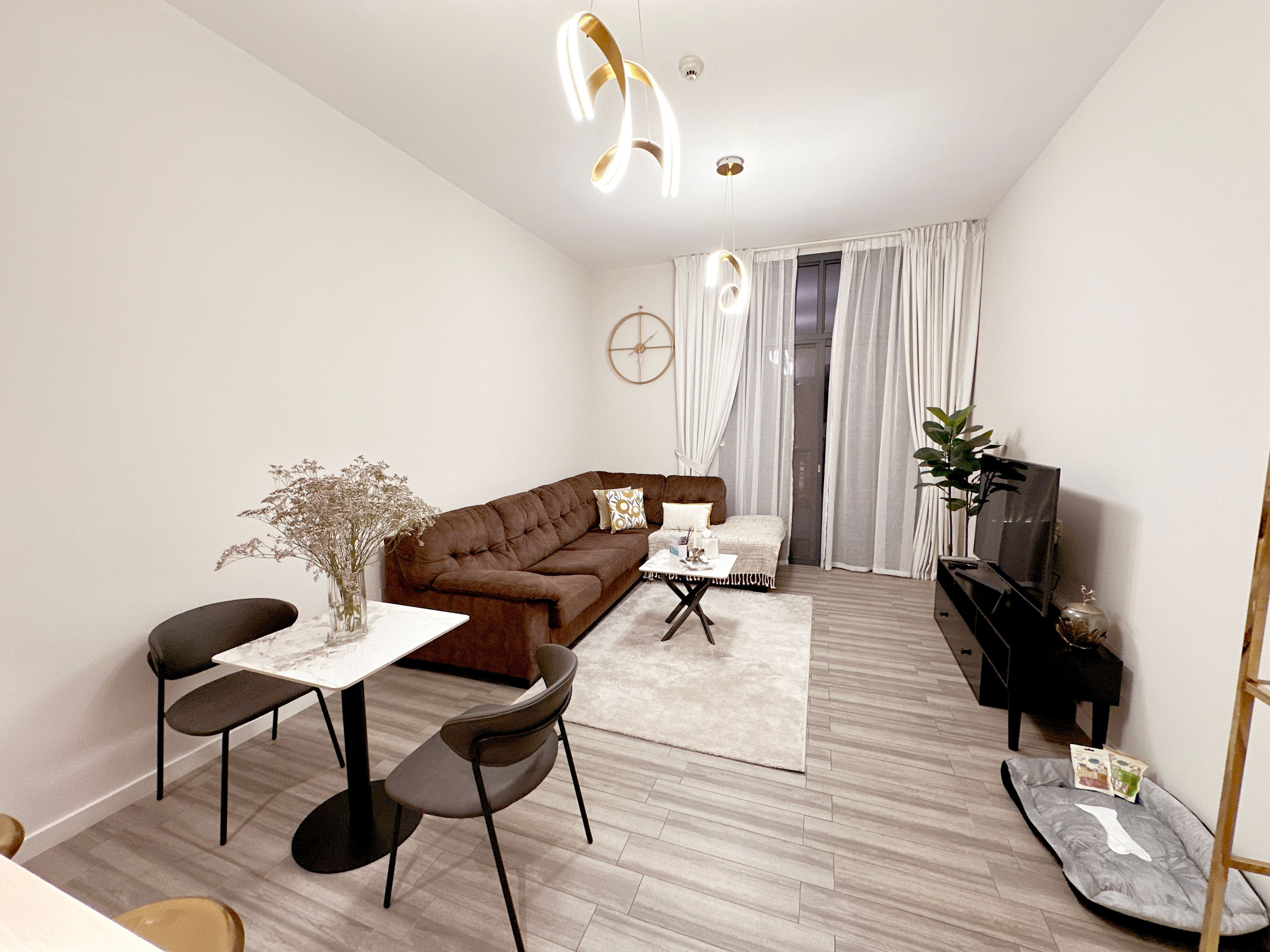
Quick Answer: All bills paid apartments fold the core utilities into one monthly rent payment. In most leases that means electricity, water, sewer and trash, and many properties add internet. Cable, parking, pet rent and renters insurance usually stay separate. Ask for the full list in writing, plus any usage cap, before you sign.
The label on all bills paid apartments sounds like a promise that every bill disappears. It rarely works that way. The phrase is leasing shorthand, and each property defines it a little differently. Gruene Pointe, serving renters across New Braunfels and the Gruene area, offers all-inclusive studio apartments off I-35, so this guide walks through the bundle one line at a time.
What Does All Bills Paid Mean?
All bills paid means the landlord holds the utility accounts and folds their cost into your rent. You pay one amount each month, and the property pays the electric, water and other providers directly. The term has no single legal definition, so the lease and its utility addendum, not the listing headline, tell you exactly which services are covered.
That's the whole idea. One payment, one due date, no transfer of service when you move in.
All Bills Paid vs. Utilities Included in Rent
Listings often use the two phrases as if they mean the same thing. They don't always. An apartment advertising utilities included in rent might cover only water, sewer and trash, which are the cheapest services to bundle and the easiest to predict. All bills paid usually signals electricity as well, and electricity is the bill that climbs with every Texas heat wave. Whichever phrase a listing uses, ask the leasing office to show you the covered services in the lease before you pay an application fee.
What's on the Apartment Utilities List?
A typical apartment utilities list runs about ten lines, and an all-bills-paid lease covers some of them far more often than others. The table sorts each service into what is commonly bundled, what sometimes is, and what almost never is, along with the question worth asking at the leasing office for each one.
| Service | Usually included? | What to ask |
|---|---|---|
| Electricity | Usually | Is there a monthly usage cap or overage fee? |
| Water and sewer | Usually | Is it covered in full or billed back by usage? |
| Trash pickup | Usually | Is doorstep valet trash a separate fee? |
| Natural gas | When the building uses it | Which appliances run on gas? |
| Internet and Wi-Fi | Often | What speed, and can you upgrade it? |
| Cable TV | Sometimes | Which channel package, if any? |
| Pest control | Sometimes | Is it in the rent or a separate line item? |
| Covered parking | Rarely | Is a carport or reserved space extra? |
| Pet rent | No | What is the monthly charge per pet? |
| Renters insurance | No | Does the lease require a minimum policy? |
| Bottom line | Varies by property | Get the full list in the lease addendum |
Rental Utilities That Usually Stay Separate
Some rental utilities stay in your name even at an all-bills-paid property. Your phone plan, streaming apps and anything you sign up for yourself sit outside the bundle. Charges tied to a personal choice stay separate too, like a second vehicle, a pet or a storage unit. At Gruene Pointe, the posted pet policy lists $35 a month in pet rent per pet, and carports are rented to assigned residents rather than shared.
Are All Bills Paid Apartments Worth the Higher Rent?
For most renters in hot climates, yes, as long as the rent premium is smaller than what the bills would have cost on their own. Electricity is the line that decides it. A bundled rent can look high next to a bare-rent listing until you add a Texas summer's power bill to the cheaper option.
The federal numbers show why. According to the U.S. Energy Information Administration, the average Texas residential electric bill was $163.72 a month in 2024, on 1,096 kWh of use. The national figure was $142.26. Those averages include houses, so a studio will use less power. It won't use none, though, and the bill peaks right when the river crowds arrive in July and August.
Look past power and the list gets longer. The Bureau of Labor Statistics found that U.S. households spent $4,736 on utilities, fuels and public services in 2024, or about $395 a month. That category includes phone service, so a single renter's share would be smaller. It still shows how many separate bills can hide behind one rent figure.
How to Compare Rent Utilities Between Two Listings
Put both apartments on the same footing first. Take the bare-rent listing and add an estimate for every rent utilities line the bundled one covers: power, water, trash and internet at minimum. Ask each leasing office for average utility costs on that unit size. Then compare totals.
Gruene Pointe's studio floor plans and pricing page, as of October 2026, describes all-bills-paid living with major utilities and internet in one monthly payment, across four layouts from 350 to 400 square feet. Ask the leasing team which services fall under major utilities for the unit you want.
Are Amenities Included in Rent?
Usually, for shared spaces. So are amenities included in rent at most communities? The pool, fitness center and lounge typically come with the lease, while reserved extras carry their own fee. Gruene Pointe lists a pool, fitness center, co-working space, lounge and laundry facility among its community amenities. A shared laundry room can still be pay-per-load at any property, so it's worth a quick question on your tour.
Frequently Asked Questions
1. Is electricity always covered in all bill paid apartments?
No. Most all bill paid apartments include electricity, since power is what separates the label from a basic water-and-trash deal, but it isn't guaranteed. Some properties also cap monthly usage and bill the overage. Read the utility addendum and ask whether any cap is measured monthly or averaged across the year.
2. Are all bills paid units the most affordable apartments?
Not by headline rent, but often by total cost. Bundled rent typically runs higher because the property is paying the providers for you. The fair test is your full monthly outlay. If the bundle costs less than your estimated bills would, it's the more affordable choice, and the payment won't jump during a heat wave.
3. What should I ask about utilities when renting?
Five questions cover most of what you need to know about utilities when renting:
- Which services are included, and where is that written?
- Is there a usage cap or overage fee?
- Who picks the internet provider and speed?
- Are trash, pest control or amenity fees billed separately?
- Could anything in the bundle change at renewal?
4. Is including utilities in rent a good idea on a tight budget?
Usually. Including utilities in rent turns several moving bills into one fixed payment, which makes a budget much easier to hold month to month. The tradeoff is control. You can't shop for a cheaper power plan or a faster internet tier, and you pay the same amount whether you travel for weeks or work from home every day.
5. Can a landlord change what's included during my lease?
Your lease and its utility addendum set what's covered for the lease term, so read both for any clause that allows adjustments. Most changes show up at renewal instead. When the new lease arrives, compare its utility addendum line by line with the old one, and get any verbal promise from the office in writing.
Conclusion: Read the Bundle Before You Sign
All bills paid apartments cover the services that keep a home running, most often power, water, sewer, trash and, at many properties, internet. They rarely cover personal choices like pets, parking or insurance. Get the list in writing, ask about caps, and compare total cost instead of rent alone. If you're searching in New Braunfels, tour a Gruene Pointe studio near the Gruene Historic District and ask the leasing team to walk you through what its single monthly payment includes.